17 South Africans Trapped in Ukraine: Mercenary Recruitment Scandal Under Investigation
November 6, 2025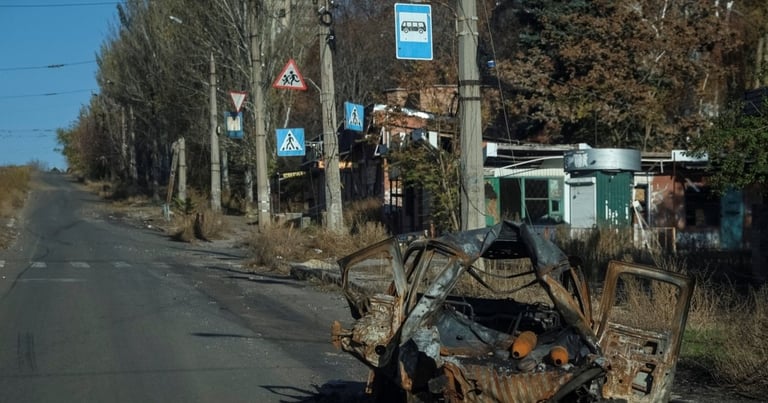

The incident fits a broader pattern of foreign recruitment in the conflict, with Russia hiring mercenaries and Ukraine attracting volunteers, though both sides recruit at varying scales.
Recruits come from diverse regions, including Africa, Asia, Latin America, and Europe, sometimes lured by social media with promises of non-military work or lucrative contracts.
There are broader warnings about recruitment, including women from Africa recruited for drone-factory work in Russia and prior alerts to South African women about fake job adverts.
Warnings issued in August highlighted global cases of citizens being lured into fighting under false pretenses, amid concerns after the dissolution of the Wagner network.
South Africa bans citizens from providing military assistance to foreign governments or joining foreign armies without government authorization, and it remains unclear which side the recruits are fighting for.
Analysts point to high youth unemployment—over 30% nationally—as a driver making young South Africans easy targets for illegal recruiters.
Ukraine’s foreign ministry is reviewing the reports, while Russia’s South Africa embassy did not immediately comment.
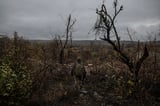
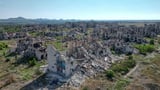
Donbas is a war-torn eastern Ukrainian region where fighting is ongoing, and the precise faction of the 17 South Africans remains unspecified in official statements.
Donbas is largely under Russian control, and Russia has faced past accusations of recruiting foreigners under false pretenses.
A group of 17 South African men aged 20 to 39 are trapped in the Donbas region of Ukraine after allegedly being recruited for mercenary work with promises of lucrative contracts, with the exact side they are fighting for not yet confirmed.
President Cyril Ramaphosa ordered an investigation into the recruitment circumstances, and the presidency noted that which side the men are aligned with remains unclear.
Experts caution that foreign fighters are numerically small but play a large symbolic role in sustaining international attention and disinformation campaigns.
Ramaphosa and the government condemned the exploitation of vulnerable youths by actors connected to foreign military entities.
Analysts emphasize that even as a minority, foreign fighters can disproportionately influence propaganda, recruitment narratives, and perceptions of the war.
There is ongoing debate about foreign participation, with Ukraine allowing volunteers to join its armed forces and Russia reportedly leveraging thousands of foreign troops, including mentions of North Korean soldiers aiding Moscow.
Context from Reuters/BBC notes broader implications, including Kremlin efforts to expand influence in Africa and the presence of the Africa Corps in West Africa after Wagner’s decline; the report does not specify which side the 17 South Africans are fighting for.
South Africa pursues a non-aligned foreign policy while maintaining ties with Moscow within BRICS; President Ramaphosa has engaged leaders from both sides.
Summary based on 9 sources
Get a daily email with more World News stories
Sources
The Guardian • Nov 6, 2025
South Africa launches investigation into 17 citizens fighting in Ukraine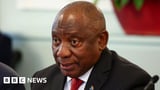
BBC News • Nov 6, 2025
South Africa says 17 citizens trapped in Donbas after joining Russia-Ukraine war