Google and Samsung Unveil Android XR: A New Era in Immersive Tech with AI-Powered Reality Integration
November 6, 2025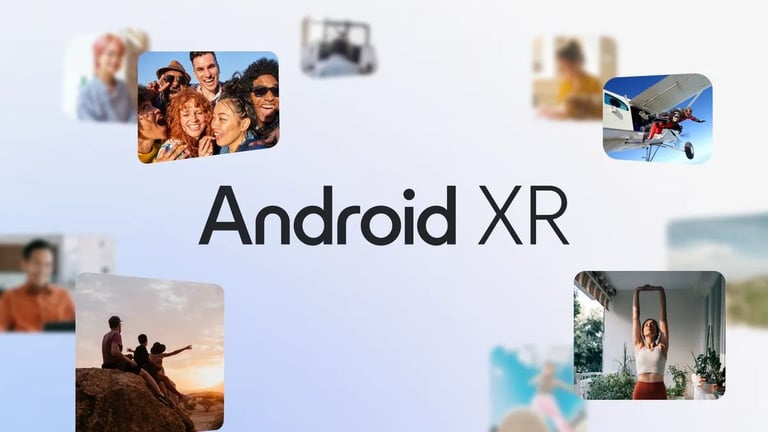

Android XR is pitched as a natural evolution beyond VR, focusing on integrating digital information into the real world through AI and context awareness while remaining open for diverse devices and experiences.
In smart glasses mode, the experience remains subtle yet context-aware, providing features like Maps navigation arrows, real-time captions, and Gemini Live responses to augment real-world interactions without obscuring reality.
Developers can build on Android XR with familiar tools such as Android Studio, Unity, and OpenXR, as Google reimagines its app ecosystem (YouTube, Maps, Photos, Chrome) for XR experiences.
Android XR marks Google and Samsung’s next step in immersive tech, blending VR, AR, and MR into a single, open platform designed for broad device compatibility and open, developer-friendly foundations.
The platform supports a range of devices—from immersive headsets like Samsung’s Galaxy XR to everyday smart glasses—delivering context-aware overlays, navigation, real-time captions, and interactive AI assistance without replacing the real world.
At the core is Gemini, Google’s AI, which powers Gemini Live to enable real-time scene understanding by letting the AI see through pass-through cameras.
Gemini Live demonstrates real-time visual understanding and assistance, showcased in tests with Galaxy XR—identifying plants, suggesting shelf-based cocktails, and offering gaming tips—while offering privacy controls to pause vision input or switch to voice-only mode.
The rollout is framed as the start of an AI-driven ecosystem where reality becomes more interactive, intuitive, and expandable, with the first XR headsets and smart glasses expected to launch in 2025.
Summary based on 1 source
Get a daily email with more AI stories
Source
Tom's Guide • Nov 5, 2025
Android XR — here’s how it’s different than VR headsets