IAEA Urges Urgent Repairs After Drone Strike Compromises Chernobyl Sarcophagus Safety
December 6, 2025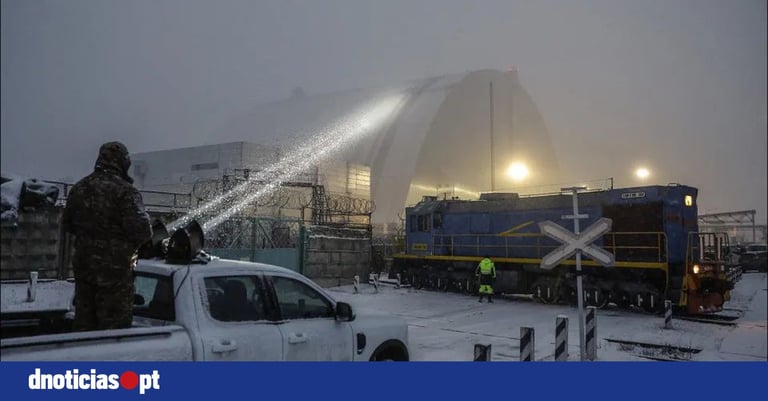

The IAEA warns that the Chernobyl shelter (sarcophagus) has lost its primary safety functions due to a February drone strike, including containment of radioactive material, and urgently needs comprehensive repairs to prevent degradation of long-term nuclear safety.
Ukrainian authorities attributed the February attack to Russia, which denied involvement; radiation levels at the time were normal and there were no reported leaks, according to UN information.
The IAEA inspection coincided with a broader survey of damage to electricity substations amid the Ukraine-Russia conflict.
Latest aid includes medical supplies for the Chernobyl medical unit and PPE for the nuclear waste management entity, funded by the EU and the UK.
International support is essential for reliable restoration and safeguarding of nuclear facilities, with the EBRD financing additional interim repairs at Chernobyl in 2026 to aid full remediation after the war.
The new safe confinement was completed in 2019 at about €1.5 billion to cover the destroyed reactor and melted fuel as part of a Europe-led effort.
Chernobyl's site was permanently shut down in December 2000 when the last operating reactor closed, with preliminary repairs planned for next year to improve the shelter.
IAEA emphasizes that restoration and protection efforts are ongoing and nuclear safety at Chernobyl remains a continuous priority.
The integrated monitoring system for the shelter over the reactor should be modernized to enhance automatic surveillance, with upgrade plans underway.
Chernobyl was briefly occupied by Russian forces at the war’s outset and remains under Ukrainian control, with the IAEA maintaining a permanent presence on site to help restore safety and protection.
The IAEA has an on-site team and continues assisting efforts to restore nuclear safety and security at Chernobyl as part of a broader aid program that has delivered hundreds of shipments totaling over €21 million.
Ongoing assessments indicate a need for major repairs to restore confinement integrity and prevent further degradation.
The shelter surrounds the reactor from the 1986 catastrophe and is known as the sarcophagus, designed to prevent radioactive releases.
IAEA’s on-site team continues to monitor radiation levels, which remained stable after the February incident, and remains committed to restoring full safety and security.
IAEA missions will inspect more than ten substation facilities in Ukraine to assess damage, verify repairs, and bolster external power supply resilience for nuclear plants.
Future temporary repairs are planned with EBRD support to restore containment and pave the way for full restoration after the Ukraine–Russia conflict ends.
The February drone attack caused a major fire on the exterior coating of the shelter’s steel structure, renewing safety concerns about the site.
Summary based on 11 sources
Get a daily email with more World News stories
Sources

The Guardian • Dec 6, 2025
Bombed Chornobyl shelter no longer blocks radiation and needs major repair – IAEA
The West Australian • Dec 6, 2025
Chernobyl nuclear plant's shield damaged: UN agency
DPA • Dec 6, 2025
IAEA urges major renovation of Chernobyl shelter after drone strike