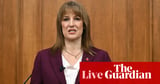
UK Chancellor Hints at Tax Increases in Pre-Budget Address, Aims to Stabilize Economy Amid Fiscal Challenges
November 4, 2025

In a pre-budget address, Britain’s Chancellor of the Exchequer signals that tax increases are likely in the upcoming Budget, signaling a shift from the previous pledge not to raise income or sales taxes.
She outlines priorities to protect the NHS, reduce national debt, tackle the cost of living, and create conditions for inflation to fall and for potential interest-rate cuts.
Economists from the Institute for Fiscal Studies warn a roughly £22 billion headroom gap is needed to restore room against debt targets, with more if productivity downgrades worsen the outlook.
Markets show only modest gilt-yield moves and mixed equities as traders price in tighter fiscal policy but react sparingly to the warnings.
External factors cited include tariffs and supply-chain disruptions, while some elements like Trump-era trade hostilities may have limited impact on growth.
Tax rises are described by authorities as a necessary part of stabilizing the public finances.
Past IFS assessments argue for more headroom to avoid instability and reduce vulnerability to forecast changes.
Readers are invited to participate in an exclusive poll and are directed to related coverage on inflation, debt, and the election context.
Policy tools include potential tax increases as part of a broader strategy to stabilize the economy while preserving essential services.
Experts flag rising income tax as a likely focal point, noting that even small rate rises could significantly affect take-home pay depending on earnings.
Public and media scrutiny follows, with taxpayers’ groups and journalists pushing back on tax rises and debating the fairness and manifesto commitments.
Possible measures include freezing personal tax thresholds, targeted pro-growth reforms affecting wealth, motoring, and property taxes, alongside energy-bill support to help with the cost of living.
Summary based on 41 sources
Get a daily email with more Financial Markets stories
Sources
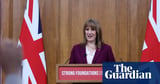
The Guardian • Nov 4, 2025
Rachel Reeves avoids ruling out tax rises as autumn budget looms
The Guardian • Nov 4, 2025
Reeves to lay groundwork for tax rises in ‘candid’ speech about budget
The Guardian • Nov 4, 2025
Reeves aims to prepare voters and markets for possible budget tax rises