Google Pixel Tag Lacks Dual-Network Broadcasting, Hindering Item Recovery Across Android and iPhone Ecosystems
September 4, 2026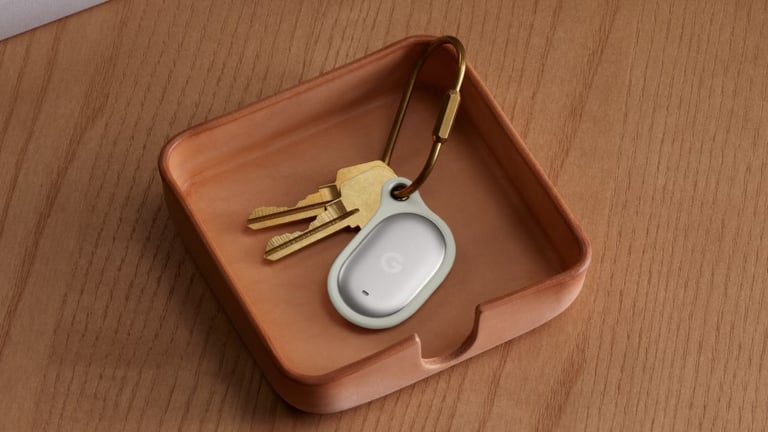

Several trackers market dual-network compatibility but still require users to choose one network at setup and cannot broadcast to both networks simultaneously.
Google’s Pixel Tag is pitched as an Android-first rival to AirTag, yet it currently supports only the Find Hub network and does not broadcast to Apple’s Find My network in parallel.
The absence of simultaneous cross-network broadcasting means Android users miss out on faster, more reliable item recovery in mixed ecosystems and travel scenarios.
In households with iPhone and Android users, or in airports with diverse devices, the lack of concurrent cross-network support slows or reduces the chances of locating lost items.
To improve interoperability, Google could enable simultaneous cross-network broadcasting, potentially taking a page from its openness with other services, though practical barriers remain.
A true multi-network tracker would significantly extend coverage by leveraging both Android and iPhone ecosystems, expanding the pool of devices that can detect and report location data.
This single-network limitation restricts locating items on iPhones or Apple devices unless the Find Hub is used, dampening cross-platform effectiveness.
Other examples of dual-network trackers, such as Chipolo’s Pop, Pebblebee’s fifth-generation trackers, KeySmart’s SmartCard Gen 3, and Rolling Square’s AirCard Pro, do not broadcast to both networks at once.
Available workarounds or alternatives exist that support both networks but require non-concurrent use, including resets and re-pairing to switch networks.
Summary based on 1 source
Get a daily email with more Tech stories
Source

How-To Geek • Sep 3, 2026
Google's new AirTag alternative fails to deliver the one feature I want from an Android tracker