Breakthrough Method Cuts Transgenic Plant Development Time to Weeks, Promising Faster Crop Innovation
November 6, 2025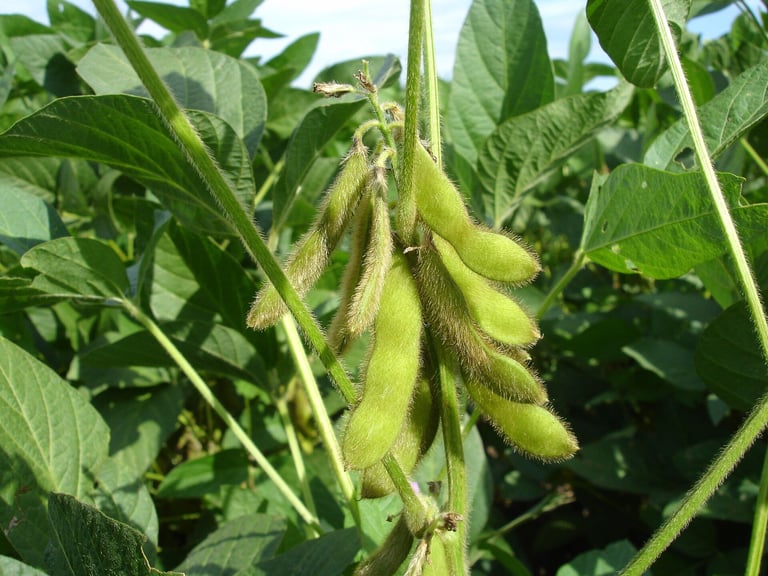

Researchers have developed a method to grow transgenic and gene-edited plants in weeks by leveraging plants’ natural regeneration after wounding, potentially bypassing traditional tissue culture.
The process speeds up transgenic plant creation from months to weeks, accelerating development timelines for improved varieties.
Researchers plan to optimize the method further so it can be applied to more challenging crops, such as chickpeas and common beans.
Initial tests showed success rates of about 35% in tobacco and 21% in tomato, with an adapted protocol in soybeans yielding transgenic shoots 28% of the time.
If refined, this technology could transform crop biotechnology by enabling faster generation of improved varieties, though it remains early-stage and subject to further development.
For soybeans, the approach involved applying engineered Agrobacterium to germinating seeds and growing in tissue culture for about 3.5 weeks before transferring to soil.
The technique uses Agrobacterium engineered with WIND1, ESR1, and other regeneration genes to trigger wound-induced regeneration and insert new DNA at the wound site.
Summary based on 1 source