Tardigrade Protein Dsup Extends Lifespan and Boosts Stress Resistance in Model Organism
November 6, 2025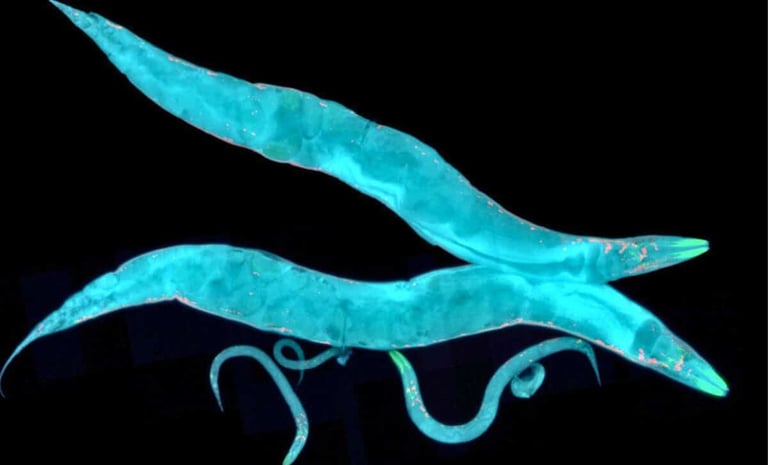

A protein derived from tardigrades, called Dsup, protects DNA and reduces oxidative damage, enabling enhanced stress tolerance and longer lifespan in a model organism.
Researchers see potential future applications in radioprotection, cellular resilience, aging research, and space biology, while noting that clinical use is not imminent and delivery and expression will be crucial challenges.
In Caenorhabditis elegans, a single-copy Dsup transgene was expressed mainly in the germline but also localized to somatic nuclei, without harming fertility, development, or movement.
Previous work showed Dsup protects human cells from X-ray–induced DNA damage, and plant studies yielded varied longevity results, underscoring host-dependent outcomes.
Dsup’s protective effects appear broad across stress types and do not incur typical trade-offs seen in other long-lived mutants, such as reduced fertility or mobility.
Life-span assays confirmed longevity benefits and demonstrated that silencing the Dsup transgene reverses the effect, establishing a causal link between Dsup expression and increased median lifespan.
Dsup-expressing worms showed higher survival under high-dose X-ray radiation and greater resistance to oxidative stressors like hydrogen peroxide and paraquat, with benefits extending to the next generation.
Dsup does not activate the worm’s standard stress-response pathways; instead, it lowers intracellular reactive oxygen species and reduces mitochondrial respiration, indicating a stress-reduction mechanism rather than a conventional stress response.
Summary based on 1 source
Get a daily email with more Science stories
Source
The Daily Galaxy - Great Discoveries Channel • Nov 6, 2025
Scientists Used a Tardigrade's Superpower to Create a 'Superworm' That Defies Time, Stress,