Bank of England Faces Crucial Rate Decision Amid Autumn Budget and Inflation Concerns
November 6, 2025

Analysts say the exact timing hinges on inflation trajectories, labor-market developments, and the impact of fiscal measures announced in the Autumn Budget.
Forecasts project two 25-basis-point cuts next year to 3.50%, with the potential for a third cut to 3.25% in 2026 if fiscal tightening and weaker pay growth persist.
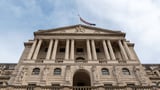
The Bank of England is expected to announce its rate decision, with markets pricing roughly a one-in-three chance of a cut to 3.75%, up from a month ago, while another view sees a hold at 4% in November as the safer bet.
Ahead of the Autumn Budget, markets largely expect the BoE to hold Bank Rate at 4% in November, though a surprise cut to 3.75% remains a possibility for some analysts.
Asian shares bounced back after earlier losses as stronger U.S. data supported sentiment, with indices hovering near record highs and tech stock concerns easing for now.
A Supreme Court session examined the legality of President Trump’s tariffs, a ruling with potential wide-ranging implications for the global economy.
Analysts warn policymakers are cautious about rapid cuts and will need sustained downside surprises in inflation and the labor market before easing further.
Key data points highlighted include a 3.8% inflation reading for September and the implication that rising unemployment to around 4.9% could influence when future cuts occur.
British finance minister Rachel Reeves signaled a hard-budget stance aimed at protecting public spending while reducing debt, with the autumn budget raising questions about timing but with expectations of disinflationary effects on the budget.
The forthcoming budget policy, including anticipated broad tax rises to avoid austerity, could justify a rate cut at Thursday’s decision as a means to support growth.
There are dissenting voices among banks and strategists who see a cut this month, though the prevailing view is that any easing may come in December or early 2026 if inflation cools and growth remains weak.
The Autumn Budget on November 26, along with anticipated tax rises from Chancellor Reeves, is seen as a factor that could dampen inflation by reducing demand, potentially enabling easier policy.
Summary based on 2 sources
Get a daily email with more Macroeconomics stories
Sources
CNBC • Nov 6, 2025
Bank of England rate cut a close call ahead of the Autumn Budget
Investing.com • Nov 6, 2025
Morning Bid: Spotlight on knife-edge BoE decision