Kerala Battles Brain-Eating Amoeba: 23 Deaths from 104 Cases of Amoebic Encephalitis
October 12, 2025

The infection is caused by Naegleria fowleri, a free-living amoeba found in warm, stagnant freshwater sources.
The infection is caused by free-living amoebae such as Naegleria fowleri, Acanthamoeba, and Balamuthia mandrillaris, typically present in warm freshwater sources.
Health authorities are actively monitoring the outbreak and implementing measures to control the spread and prevent further fatalities.
A collaborative initiative emphasizes the interconnectedness of human, animal, and environmental health, enhancing Kerala’s surveillance, prediction, response, and long-term planning capabilities to combat the disease.
Kerala has reported 104 cases of amoebic encephalitis caused by the brain-eating amoeba Naegleria fowleri, resulting in 23 deaths, with Kollam and Thiruvananthapuram being the most affected districts.
An action plan employing a One Health approach was implemented in 2025 to improve prevention efforts, including scientific chlorination and ongoing safety measures across the state.
In 2024, the Kerala Health Department issued guidelines for the diagnosis and treatment of amoebic encephalitis to enhance patient outcomes.
The disease begins when contaminated water enters the nose, allowing the amoeba to reach the brain and cause severe inflammation, with symptoms like headache, fever, nausea, confusion, seizures, and hallucinations.
It typically occurs when individuals swim or bathe in contaminated water, leading to the amoeba invading the nasal passages and causing brain inflammation.
Diagnosis involves analyzing cerebrospinal fluid, and early medical intervention is critical for suspected cases.
Naegleria fowleri, also known as the brain-eating amoeba, is responsible for this rare but often fatal brain infection.
Preventive measures include avoiding swimming in stagnant or unclean water, especially when rinsing the nose, and using properly chlorinated pools.
Early medical treatment is essential, and individuals should avoid warm, stagnant water for swimming or nasal cleansing with sterile or boiled water.
Amoebic meningoencephalitis is a rare, often fatal brain infection caused by Naegleria fowleri.
Symptoms usually develop within 1 to 9 days of exposure and include severe headache, fever, nausea, vomiting, neck stiffness, and in severe cases, seizures and memory loss.
Naegleria fowleri is found in warm freshwater bodies and is not transmitted person-to-person, but through contact with contaminated water.
Summary based on 11 sources
Get a daily email with more Science stories
Sources

Economic Times • Oct 12, 2025
Amoebic meningoencephalitis: 23 deaths reported in Kerala, says state health minister
The Times Of India • Oct 12, 2025
'Brain-eating amoeba' scare: Kerala records 104 cases, 23 deaths, says health minister Veena George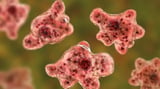
Hindustan Times • Oct 12, 2025
Amoebic Meningoencephalitis: 23 deaths reported in Kerala so far | Latest News India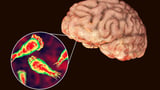
Moneycontrol • Oct 12, 2025
Kerala on alert as brain-eating amoeba claims 23 lives: How the state is battling a rare disease