U.N. Backs U.S.-Led Move to Ease Syrian Sanctions, Signals Shift Toward Post-Assad Diplomacy
November 7, 2025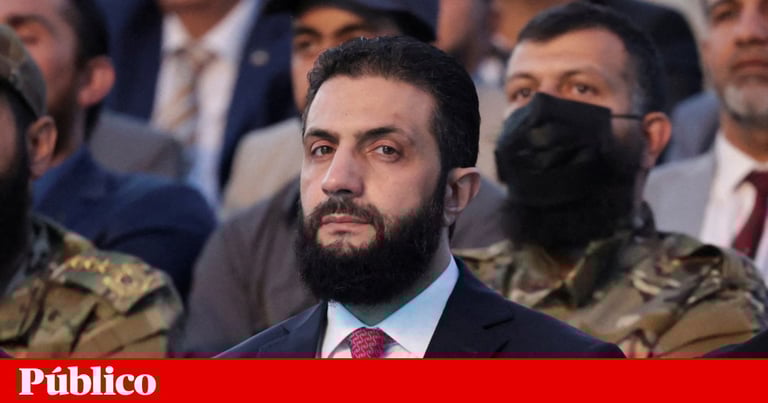

Russia framed the resolution as defending Syrian sovereignty and urged adherence to regional stability principles amid tensions with Israel and concerns over security.
U.N. reports in May highlighted stark needs: 90% of Syrians in poverty and 16.5 million requiring protection or aid, including about 3 million in acute food insecurity.
Major sanctions relief in May lifted about $15 billion in assets and trade restrictions from the U.S., U.K., and EU to aid humanitarian conditions and the economy.
Following Assad’s fall, several nations began easing sanctions to support humanitarian relief and economic revival, with various measures lifted in May.
Russia’s ambassador backed the resolution, noting it aligns with the Syrian people’s interests and that Moscow has historically shielded Assad.
China’s objections remain a hurdle, citing concerns about rapid action without concrete counterterrorism measures and the presence of Uyghur militants linked to Syria’s new government.
The U.N. Security Council backed a U.S.-led resolution to lift certain sanctions on Syrian officials tied to past al-Qaida links, signaling a shift toward post-Assad diplomacy.
Observers frame the sanctions relief, visit, and reconstruction highlights within a broader push for regional stabilization and normalization with long-term rebuilding needs.
The move follows 13 years of civil war and a pivotal insurgent offensive led by HTS, shaping the current political transition.
The broader debate over security, humanitarian concerns, and anti-terrorism continues to frame international views on Syria.
Bashar al-Assad’s departure to Russia in late 2024 ended decades of rule, with al-Sharaa tapped to lead a transitional period focused on reconstruction amid regional volatility.
Al-Sharaa has been pursuing restoration of ties with Arab neighbors and the West as part of Syria’s normalization drive.
Al-Sharaa’s past links to rebel groups are in focus as efforts to restore regional and Western engagement move forward.
Despite sanctions relief, al-Sharaa faces continued criticism over past clashes with ethnic and religious minorities.
China abstained, urging a fuller assessment of the security situation and expressing concern about foreign fighters in Syria.
Al-Chareh was slated to address the U.N. General Assembly and was expected to become the first Syrian head of state received at the White House, with a visit planned for early November 2025.
Russia argued for Syria’s economic recovery during the transition, highlighting ongoing regional instability, Israeli actions in the Golan Heights, and the threat of Daesh resurgence.
Analysts note Syria’s decade-long conflict has caused massive casualties and displacement, with reconstruction needing tens of billions of dollars.
The broader context emphasizes destruction, displacement, and U.S.–Syria normalization as part of regional stabilization efforts.
The vote is seen as a signal of political renewal a year after Assad’s overthrow, aimed at improving security, stability, and Syria’s inclusive political future.
Trump framed the White House visit as part of efforts to meet diverse global leaders to advance peace, with progress on sanctions relief cited by officials.
The broader push includes unilateral steps by members and ongoing discussions about broader engagement with Syria.
The civil war since 2011 caused massive casualties and displacement, with tens of millions in need of protection or aid.
The push follows earlier moves to remove HTS from sanctions, a decision that China opposed, highlighting broader security implications.
Some member states acted unilaterally by canceling HTS designation, paving the way for renewed engagement with Damascus.
U.S. and European efforts focus on reconstruction and stabilization, with ongoing congressional debates over repealing Caesar sanctions.
Sharaa has been described as a tough, strong figure; HTS was linked to al-Qaida in Syria before Sharaa severed ties in 2016.
Syria’s top diplomat described the visit and sanctions talks as historic, stressing lifting measures would bolster anti-ISIS efforts and require international backing.
Sharaa’s September UN General Assembly appearance marked a historic moment as the first Syrian leader to speak there in nearly six decades, emphasizing solidarity with Gaza.
Background shows al-Sharaa’s efforts to restore Arab and Western ties amid a humanitarian crisis, with widespread poverty and food insecurity affecting millions.
The October parliamentary elections were Syria’s first since Assad’s overthrow, with underrepresentation of Kurds, Christians, Alawites, and limited female representation.
Even with sanctions relief, the Caesar Syria Civilian Protection Act remains in place and would require separate congressional action for permanent removal.
Following Trump’s May meeting with al-Sharaa in Saudi Arabia, sanctions relief has progressed, but Congress must act to permanently lift Caesar sanctions.
Western and allied capitals welcomed sanctions relief as a meaningful step toward Syria’s economic recovery and political transition.
The Security Council action reflects evolving international diplomacy around Syria, with multiple actors shaping sanctions policy.
Several HTS members remain under U.N. sanctions, including leaders such as al-Sharaa and Khattab who face travel bans and asset freezes.
Syria is expected to join the U.S.-led coalition against ISIS during al-Sharaa’s Washington visit, signaling broader normalization.
U.S. Syria envoy Tom Barrack indicated an agreement during the Washington visit that would bring Syria into the coalition against ISIS.
If the measures are approved, Syria would join the coalition against Islamic State while al-Sharaa is in Washington.
U.S. Ambassador Karoline Leavitt said the timing aligns with promises to ease sanctions to foster peace, noting Damascus’s progress.
The draft resolution was notably softened through negotiations and could proceed under Chapter VII to enable sanctions relief if adopted without objections.
China abstained from the vote, while Russia supported economic recovery and stressed addressing regional instability including the Golan Heights and potential Daesh risks.
Summary based on 19 sources
Get a daily email with more World News stories
Sources
BBC News • Nov 6, 2025
UN lifts sanctions on Syrian president ahead of White House visit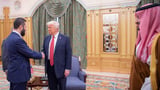
ABC News • Nov 5, 2025
US proposes the UN lift sanctions on Syria's leader ahead of White House visit
AP News • Nov 6, 2025
UN votes to lift sanctions on Syria's president | AP News
AP News • Nov 5, 2025
US seeks lifting of UN sanctions on Syria's leader | AP News