2026 Brazilian Election: Lula vs. Flavio Bolsonaro in a Battle for Democracy's Future
October 3, 2026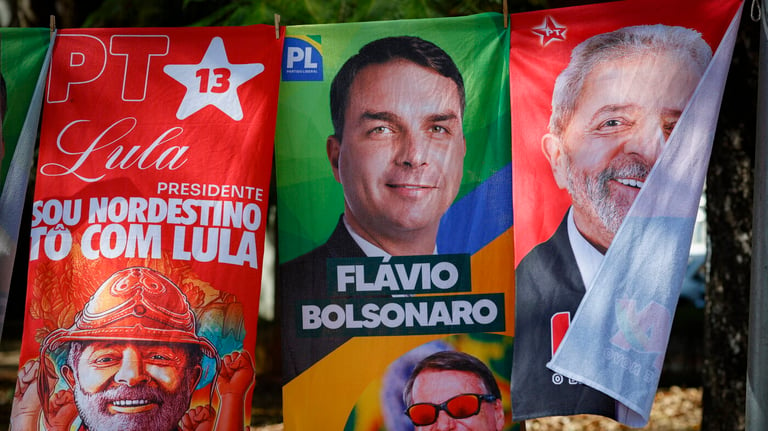

In addition to the presidency, Brazilians are voting for the 513-seat Chamber of Deputies, one-third of the Senate, state governors in all 26 states, and regional legislatures.
The campaign is drawing international attention, with discussions about US influence and security moves affecting consular services, alongside related actions by Australia.
There are twelve candidates in total, with broad analysis available in accompanying dossiers and related articles.
Brazil's October presidential election looms as a potential turning point for Amazon policy, with the winner shaping protections in a region that stores a crucial share of the world's rainforest and affects global climate.
Deforestation spiked under Jair Bolsonaro’s 2019–2022 presidency and has cooled under Lula since 2023, but experts warn Bolsonaro-era ideas could loosen protections or legalize previously illegal clearing depending on enforcement and policy choices.
Climate stance matters: Bolsonaro ally Flávio Bolsonaro has dismissed climate change as real, raising concerns among climate groups about possible rollbacks if enforcement weakens.
For voters abroad, practical guidance covers how overseas ballots are counted and when results will inform the national picture.
A multi-billion-dollar scandal involving Banco Master and its owner, Daniel Vorcaro, adds a backdrop of corruption allegations to the election.
The first round is scheduled for Sunday, October 4, with polls closing in the late afternoon and preliminary electronic results expected within a few hours.
The election is framed as a critical test for Brazil’s democracy amid corruption cases, past coup-related tensions, and potential implications for BRICS and the Global South.
Controversy over religion in politics surfaces as debates about Our Lady of Aparecida and related speech feed into online disinformation and judiciary tensions.
Polls show Lula and Bolsonaro in a tight race, with some surveys indicating a possible runoff and others showing Lula with a narrow edge within margins of error.
Summary based on 11 sources