China's $2 Trillion Global Lending Strategy Sparks Geoeconomic Competition and National Security Concerns
November 18, 2025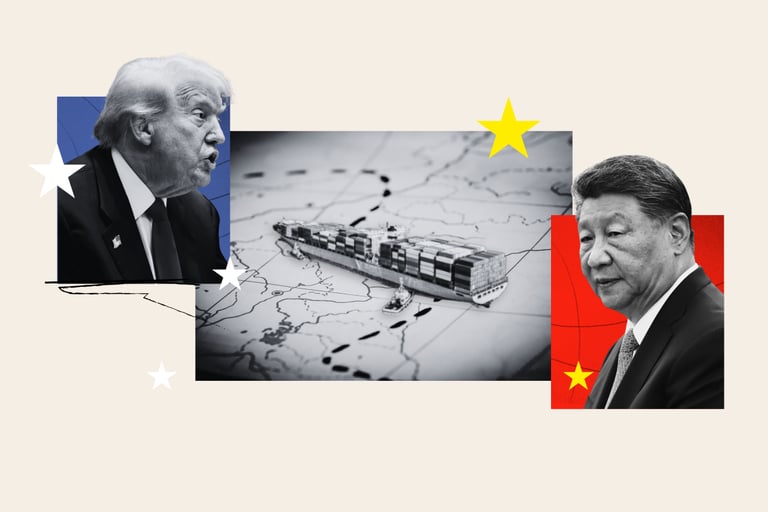
The loans financed acquisitions in critical technology sectors—robotics, semiconductors, and biotechnology—heightening national security and competitiveness concerns.
China is increasingly lending to upper-middle- and high-income countries, focusing on critical infrastructure and strategic sectors like semiconductors, AI, clean energy, and high-tech supply chains.
Beijing’s Belt and Road influence in Global South infrastructure funding has waned as China seeks to limit debt distress while expanding presence in wealthier markets.
A broader geoeconomic competition trend in aid and development finance suggests a reorientation toward preserving creditor influence rather than solely promoting development.
China is shifting toward a harder-edged global finance model, aiming to be the premier international creditor with leverage through revenue-backed repayment structures in energy- and mineral-rich countries.
Western responses include reduced aid budgets and a push to diversify minerals supply chains, evidenced by initiatives like the Minerals Security Partnership.
There is a moving pattern of lending: reduced support to poorer countries while expanding credit lines to high-income economies such as the UK and Australia, signaling evolving global outreach.
U.S. aid strategy is shifting toward expanding development finance capabilities, reallocating funding to pursue market-driven, credit-based instruments under national security considerations.
AidData finds Chinese state banks lent over $2 trillion globally from 2000 to 2023, with the United States as the largest single recipient at about $200 billion funneled through shell entities to obscure origins.
Beijing’s go-it-alone lending model challenges Western policymakers to rethink aid and credit tools, as China can advance policy goals with less political friction and tighter control over recipient-country corporate activity.
Media attention from outlets like BBC Panorama highlights debates on geopolitics, national security, and global supply chains sparked by the lending patterns.
Critics warn this lending could trap recipient countries in debt and erode Western leverage, while supporters view it as essential infrastructure financing.
Summary based on 17 sources
Get a daily email with more stories
Sources

Newsweek • Nov 18, 2025
Who Gets the Most Chinese Loans? The U.S.
ABC News • Nov 18, 2025
US warns others to avoid loans from Chinese state banks, but it is biggest recipient