EU Border Tech Expansion Raises Concerns Over Surveillance, Human Rights, and Military Integration
November 29, 2025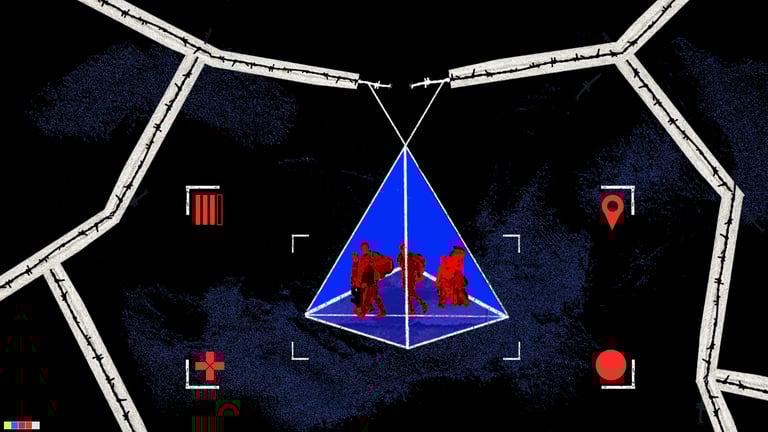

The expansion of Europe’s border tech is being driven by EU funding, national migration controls, and Brussels’ push for integrated, digital border management, with Greece as a primary implementation hub for EU-funded surveillance technology.
Industry and national security interests are intertwined, with defense contractors playing a major role and a blurred line between civilian and military tech raising concerns about data collection, bias, and long-term governance.
Human rights groups warn that border surveillance can worsen abuses and pushbacks, and oversight remains limited, as past fines for Greece’s camp surveillance signaled gaps in data protection and accountability.
Core elements of the Evros model—fence, sensors, drones, and centralized command—are being replicated at northern borders under the EU’s E-Surveillance program, including Mobile Incident-Management Centers and encrypted communications, while safeguards and data protections remain underdefined.
EU border-technical programs and defense-industry involvement (from companies like Shield AI, IAI, Elbit, and others) are profiting from contracts, with a notable shift toward civilian-military tech integration and a Brussels lobbying ecosystem.
The EU aims to digitalize border control through the Integrated Border Management Strategy, supported by large funding packages, while policy pushes favor AI and automation in border management.
Greece has allocated substantial EU Home Affairs funding for 2021–2027, exceeding €1.5 billion, with a large portion directed to surveillance, automation, and deterrence rather than search-and-rescue or asylum services, highlighting funding disparities among member states.
Greece is expanding high-tech border surveillance from the Evros-Turkey frontier to its northern borders with North Macedonia and Albania, seeking to curb secondary movement toward Western Europe and to serve as a test case for Europe’s AI-enabled border regime.
Summary based on 1 source
Get a daily email with more EU News stories
Source
Solomon • Nov 29, 2025
Greece a testing ground for smart surveillance technologies