Quebec Premier François Legault Resigns Amid Party Turmoil and Waning Popularity
January 14, 2026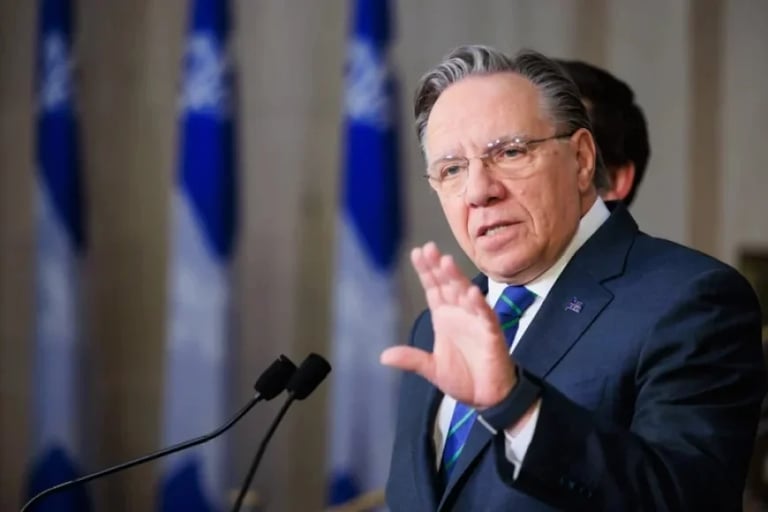

His leadership during the COVID-19 era boosted his popularity at times, though that surge has faded amid ongoing criticism.
Critics point to persistent health-care challenges, a teacher shortage, the costly Northvolt project, the SAAQclic fiasco, and a record deficit that prompted a credit rating downgrade.
Legault’s tenure has been marked by clashes with the federal government over immigration and a controversial approach to secularism, including Bill 21 and a public prayer ban that drew rights concerns.
Reaction to Legault’s departure has been swift from municipal leaders, opposition parties, unions, and business groups, many welcoming the change amid dissatisfaction.
Context highlights Quebec’s Francophone identity, long-standing sovereignty tensions, and the 1995 referendum as a backdrop to current debates on autonomy.
In a surprise move, Quebec Premier and Coalition Avenir Québec leader François Legault announces his resignation, effective as the party moves to choose a new leader ahead of the fall 2026 provincial election.
The Parti Québécois is pushing for another referendum on independence, while polls show growing support for the PQ and doubts about CAQ re-election.
Legault has steered Quebec since 2018 and led the CAQ since its founding in 2011, delivering majority governments in 2018 and 2022 while facing rising internal tensions and declining popularity.
The resignation comes amid ongoing party turmoil, cabinet departures, polls showing waning trust, and critiques from unions and health-care representatives over austerity and system strain.
Backdrop includes debates over Quebec’s autonomy within Canada and broader implications of federal politics, including the presidency of Donald Trump.
The resignation was announced at 11 a.m. during a press conference in Quebec City, aligning with the first virtual council meeting after the holidays.
Analysts, including McGill’s Daniel Béland, note the fading popularity and shifting political dynamics as Quebec politics eye the 2026 vote.
Summary based on 7 sources
Get a daily email with more World News stories
Sources
The Guardian • Jan 14, 2026
Quebec premier François Legault resigns from post in surprise move
CBC • Jan 14, 2026
Quebec Premier François Legault steps down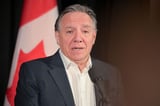
U.S. News & World Report • Jan 14, 2026
Quebec Premier Quitting Ahead of Election That Separatists Look Set to Win