Nikon Unveils Lighter, Faster NIKKOR Z 70-200mm f/2.8 VR S II Lens with Enhanced Features
February 24, 2026

Nikon introduces the second-generation NIKKOR Z 70-200mm f/2.8 VR S II, a faster, lighter, and more refined professional telephoto zoom for the Z-mount, positioned in Nikon’s premium S line as part of the Holy Trinity alongside the 24-70mm f/2.8 S II.
The updated optics use 18 elements in 16 groups with new glass materials to boost sharpness, color accuracy, and contrast, while improving bokeh with an 11-blade rounded diaphragm and reducing ghosting and flare.
A closer minimum focusing distance and up to 0.3x maximum magnification at the wide end give the lens macro-like close-up capability.
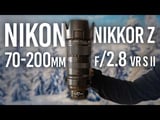
B&H highlights include a YouTube First Look and Learn More resources on B&H Explora for product details and purchasing information.
In-lens Vibration Reduction provides up to six stops of stabilization, with Synchro VR optimizing stability on compatible Z bodies for telephoto work.
The lens weighs 998g with the tripod collar removed, about 362g lighter than the previous generation and 12mm shorter, aiding handheld use and gimbal balance.
Autofocus is upgraded with Silky Swift Voice Coil Motors, delivering faster, quieter, and more accurate focusing with reduced breathing, especially on bodies like the Z6 III or Z8.
Availability begins in March 2026, priced at $2,999, with Australian pricing not yet confirmed at the time.
Build includes enhanced weather sealing, customizable controls, a redesigned hood with a filter window, and an Arca-type tripod foot, with compatibility for 1.4x and 2x Nikon Z teleconverters.
Nikon claims a 26% weight reduction (about 12.7 ounces) and a 0.5-inch shorter length due to a redesigned optical layout with thinner elements.
The optical design uses fewer elements but adds dual-sided asphericals, Super ED and SR glass, and new coatings to improve sharpness, bokeh, and flare resistance.
Summary based on 3 sources
Get a daily email with more Tech stories
Sources


Weekly Voice | Leader of South Asian News In Canada | Indo-Canadian News • Feb 24, 2026
Nikon NIKKOR Z 70-200mm F2.8 VR S II Lens Just Announced: YouTube First Look Video – Nikon’s New 70-200mm F2.8 VR S II; Learn More at B&H Photo | Weekly Voice