Nationwide Measles Outbreak Exposes Hospital Readiness Gaps and Urges Swift Vaccination Action
February 26, 2026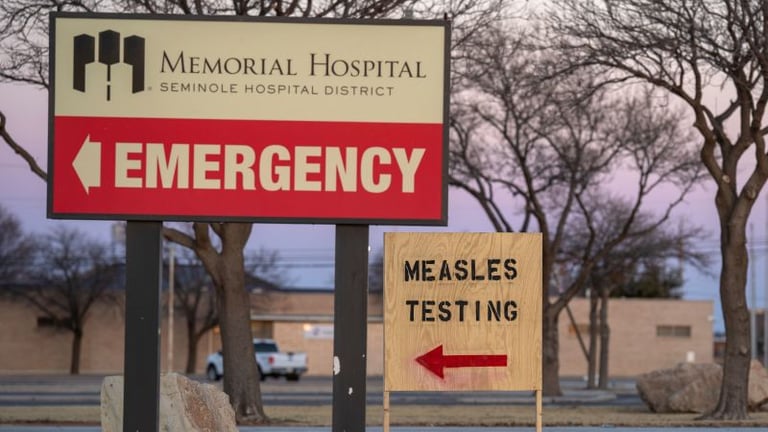


Hospitals and clinics are adopting screening protocols, parking-lot triage, and pre-visit checks to flag suspected measles cases, while public health officials urge families to vaccinate amid widespread misinformation and hesitancy.
Public health authorities are updating local case data, promoting vaccination, debunking myths, and adjusting clinic isolation and screening practices to cope with rising measles activity.
Experts warn measles is highly contagious and can linger in the air for up to two hours, underscoring the need for dedicated isolation rooms with proper airflow and immediate isolation of suspected cases.
Healthcare workers struggle to distinguish measles from other viral illnesses due to familiar rashes and limited firsthand experience, turning to state guidance and public health protocols for direction.
A measles outbreak at Mission Hospital in Asheville, North Carolina led to delays in isolating two seven-year-old twins with measles-like symptoms and contributed to at least 26 infections, prompting CMS to place the hospital on Immediate Threat to health for serious deficiencies.
CMS investigators designated Mission Hospital as Immediate Jeopardy, citing exposure of at least 26 people and missing a dedicated isolation area as well as delayed isolation despite staff training on the three Cs of measles.
The nationwide measles outbreak challenges hospitals unfamiliar with diagnosing and isolating the disease, evidenced by delayed isolation at Mission Hospital before a confirmed diagnosis.
Tensions exist between public health guidance and frontline practice, including questions about CDC vaccine messaging and the level of federal support during the resurgence.
Clinicians emphasize the difficulty of recognizing measles amid cold-like symptoms, the importance of rapid isolation and testing, and the need for swift outbreak recognition and vaccination advocacy.
There is concern about CDC communication and support, with some clinicians reporting limited timely guidance during the resurgence, while state and local health departments lead investigations and the CDC provides support on request.
Two doses of the MMR vaccine reduce infection risk after exposure to about 3% versus about 90% for unvaccinated individuals, highlighting vaccination as a critical control measure.
Even with decades of elimination, outbreaks in several states threaten status and expose tensions between vaccination advocacy, public health messaging, and clinical readiness.
Summary based on 3 sources