Algerians Struggle to Afford Ramadan Amid Rising Costs Despite Government Promises
March 1, 2026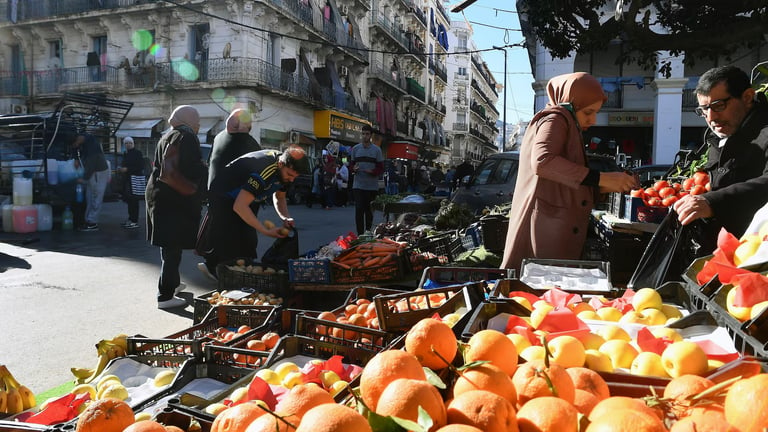

Overall, government commitments and charitable responses exist, but rising prices and shrinking purchasing power are widening hardship for many Algerians during Ramadan.
Algerian families are finding it hard to finance traditional Ramadan meals as food costs rise, even as the government promises economic relief and increased meat availability.
Analysts and academics view these measures as attempts to stabilize society and absorb political anger amid broader restrictions on civil and trade freedoms.
Public discourse reflects rising poverty and a shrinking middle class as the president outlines increases to minimum wage, retirement benefits, and graduate unemployment support.
Mercy restaurants have proliferated, offering free meals to entire families as a sign of growing poverty and need.
The report ties challenges to broader economic shifts and social unrest concerns, noting official measures aim to mitigate impact on citizens.
Market dynamics and speculation around Ramadan goods persist despite government crackdowns, fueling volatility at marketplaces and public frustration.
The government has pledged measures to ease Ramadan costs, including imports of large numbers of sheep and cattle to improve meat accessibility, alongside broader social aid discussions.
Ramadan in Algeria arrives as many households struggle to afford festive meals amid rising food prices and eroding purchasing power despite the country’s wealth from gas and oil.
President Tebboune acknowledged the economic crisis, noted the shrinking middle class, and announced planned relief measures, including raising the minimum wage and pension increases.
Tebboune announced incremental increases in minimum wage, retirement pensions, and unemployment benefits to bolster the middle class during ongoing economic adjustments.
While meat imports are intended to lower prices, locally sourced mutton and young cattle remain expensive for many, including middle-income earners.
Summary based on 5 sources
Get a daily email with more World News stories
Sources
Yahoo News • Mar 1, 2026
Algerians struggle to afford Ramadan feasts as prices rise despite government pledges
AP News • Mar 1, 2026
Algerians face rising costs for Ramadan holiday feasts | AP News
Devdiscourse • Mar 1, 2026
Algeria's Ramzan Dilemma: Rising Costs Amidst Economic Struggles
ABC News • Mar 1, 2026
Algerians struggle to afford Ramadan feasts as prices rise despite government pledges