Enzyme P3H1: A Key Player in Pancreatic Cancer Progression and Immune Evasion
March 14, 2026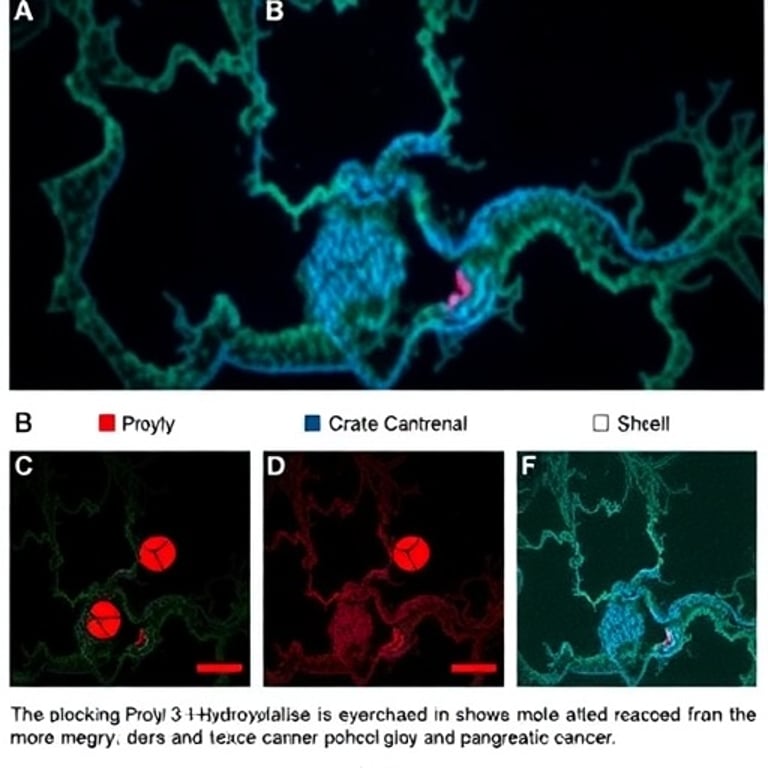

Clinical translation will require human trials to assess efficacy and safety, alongside biomarkers to identify patients most likely to benefit from P3H1-targeted therapies.
Inhibiting P3H1 reduces collagen cross-linking and ECM stiffness, facilitating greater infiltration and activation of anti-tumor M1-like macrophages.
P3H1 acts as a master regulator of tumor-immune dynamics, suggesting ECM-modifying enzymes can actively influence immune surveillance and cancer progression beyond structural support.
P3H1, an enzyme that modifies collagen, drives pancreatic ductal adenocarcinoma progression by increasing ECM stiffness and promoting M2-like macrophage polarization, thereby shaping the tumor immune microenvironment.
Blocking P3H1 offers a dual therapeutic approach: remodeling the tumor matrix and reprogramming macrophages, with potential synergy with immunotherapies and applicability to other solid tumors.
P3H1 inhibition reprograms macrophages from M2-like to M1-like, boosting anti-tumor cytokine production and phagocytic activity without compromising normal tissue homeostasis in preclinical models.
Elevated P3H1 expression correlates with stiffer ECM and expansion of pro-tumorigenic macrophages, promoting tumor growth and immune evasion in PDAC.
Summary based on 1 source
Get a daily email with more Science stories
Source
BIOENGINEER.ORG • Mar 14, 2026
Blocking Prolyl 3-Hydroxylase 1 Slows Pancreatic Cancer