US Lifts Sanctions for 30 Days to Allow Iranian Oil Purchase Amid Global Energy Crisis
March 21, 2026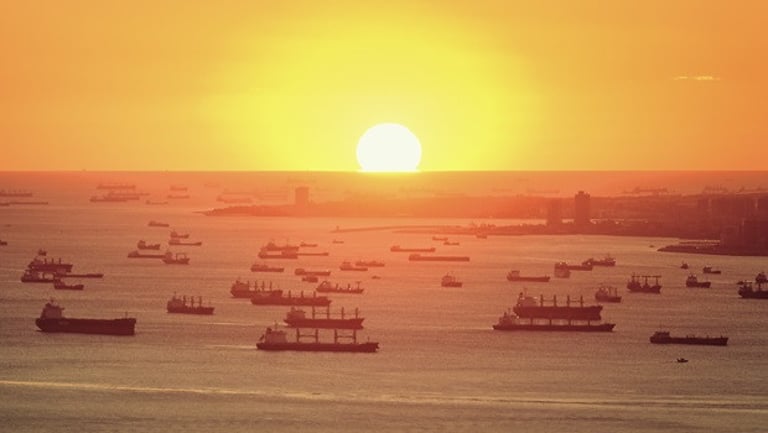


Administrative, banking, and regulatory hurdles may delay cargo confirmations for delivery as buyers navigate formal processes with India and the United States.
Limited storage capacity in Asia and rising inventory costs complicate crisis decisions and affect arbitrage opportunities.
Domestic politics around Iran sanctions are complex, with U.S. lawmakers offering varied responses and none providing immediate comments on the proposal.
It remains unclear whether the proposal will trigger a similar international or domestic political backlash as other sanctions measures.
Even with the waiver, experts expect continued volatility and potential further emergency measures if supply shocks persist.
The United States temporarily lifts sanctions for 30 days to allow the sea-based purchase of Iranian crude and petroleum products, aiming to bring about roughly 140 million barrels to global markets as a way to ease energy supply pressures amid the West Asia conflict.
The waiver comes as oil prices rise and the Strait of Hormuz disruption amid the war tightens energy costs, impacting global markets and retail gasoline prices.
Policy makers emphasize using Iranian barrels to influence prices while maintaining maximum pressure on Iran and trying to prevent a surge in Iranian revenue.
The situation remains evolving, relying on ongoing geopolitical and supply-chain dynamics with inputs from multiple agencies.
Summary based on 41 sources
Get a daily email with more World News stories
Sources
BBC News • Mar 19, 2026
US considers lifting sanctions on some Iranian oil
The Guardian • Mar 20, 2026
US may remove sanctions on Iranian oil stranded in tankers, Bessent says
The Guardian • Mar 21, 2026
US lifts sanctions on Iranian oil at sea in bid to ease supply pressures
BBC News • Mar 19, 2026
US considers lifting sanctions on some Iranian oil