Congress Debates Mining Moratorium Near Minnesota's Boundary Waters Amid Environmental Concerns
April 16, 2026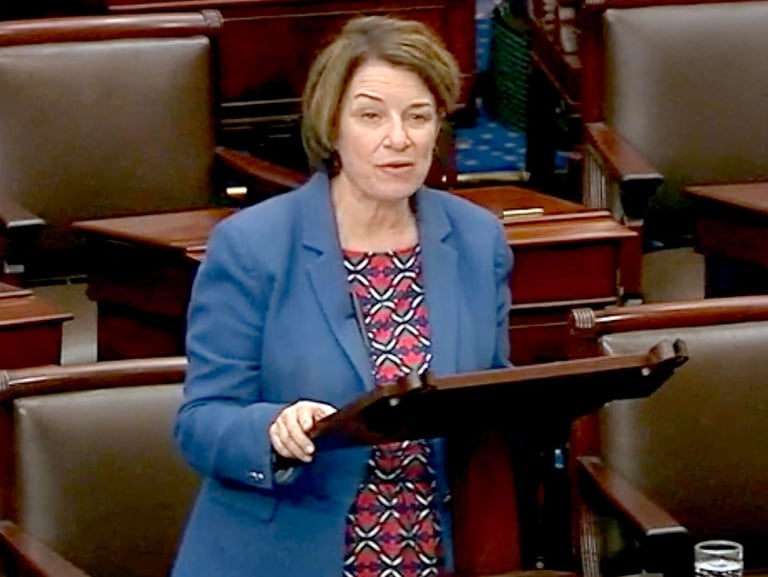


The push to overturn the mining moratorium near Minnesota’s Boundary Waters is moving through Congress, with Republicans urging that the Congressional Review Act restore mineral leasing and multiagency review while Democrats warn of irreparable harm to the watershed and public lands.
Top critics, including Minnesota Senators Amy Klobuchar and Tina Smith, argue the move threatens wilderness protections and sets a dangerous precedent for land management nationwide, joined by other Democrats and some Republicans who stress potential harm to the Boundary Waters.
Key voices, such as Sen. Tina Smith, Sen. Martin Heinrich, Rep. Stauber, and environmental groups, criticize the approach and emphasize concerns about land management, environmental risks, and public lands policy implications.
The push to boost domestic mineral production has been a consistent theme of the Trump era, including renewed leases and exploration permits, with Rep. Pete Stauber introducing the resolution earlier this year and a timeline of related actions dating back to 2019.
Minnesota regulators approved exploration in December, signaling initial support for mining interests even as the broader policy battle unfolds and litigation continues.
Since 2019, federal actions have varied, with lease renewals, moratoriums, court processes, and ongoing appeals, all aimed at accelerating mining opportunities in the region while weighing environmental safeguards.
Analysts outline a comprehensive permit framework for projects like Twin Metals, detailing NEPA, ESA, CWA compliance, water quality monitoring, and economic considerations, while warning about legal challenges and the need for robust environmental oversight.
Foreign ownership and national security questions loom, with Antofagasta’s involvement prompting scrutiny over control of critical mineral supply chains and domestic processing requirements.
Twin Metals argues the decision would support jobs and growth and that a project-specific environmental review is preferable to a blanket ban, while opponents advocate stronger protection for the BWCAW and vigilance against pollution.
The Congressional Review Act mechanism is central to the debate: a joint resolution in both chambers, signed by the President, could invalidate the Biden-era withdrawal with simple majorities.
Long-term implications center on the tension between environmental protections and national security, with debates about widening the CRA to environmental restrictions and wilderness-related decisions.
The Forest Service manages vast public lands, making any attempt to invalidate management plans a significant legal and administrative risk that could affect multiple uses from timber to recreation.
Summary based on 16 sources
Get a daily email with more World News stories
Sources

AP News • Apr 16, 2026
Senate Republicans vote to lift mining ban near Boundary Waters Canoe Area | AP News
Reading Eagle • Apr 16, 2026
Senate Republicans send Trump resolution to lift mining ban near Boundary Waters Canoe Area
Stateline • Apr 16, 2026
Scores of Forest Service plans could be upended after Boundary Waters mining vote
GearJunkie • Apr 16, 2026
Senate Opens Boundary Waters Watershed to Mining