Nvidia CEO Warns Shift to Huawei Chips Could Erode U.S. AI Dominance
April 18, 2026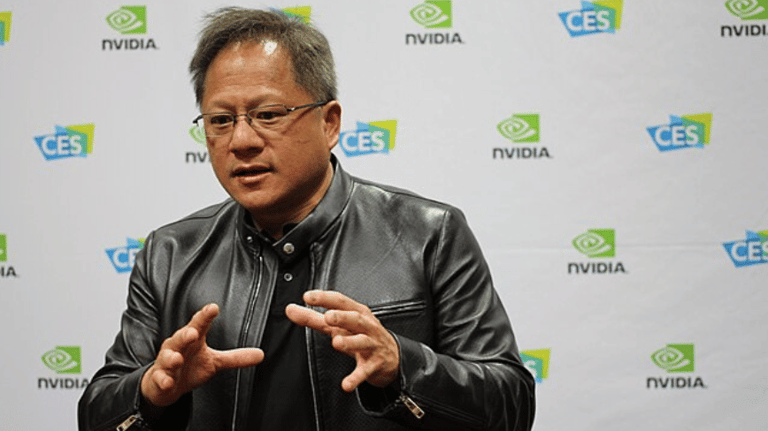

He suggests export curbs have instead spurred domestic Chinese competitors and driven developers toward local ecosystems, diminishing U.S. influence over software standards.
Historically, DeepSeek’s R3/R2 models performed well on Nvidia GPUs but faced Huawei training stability issues, highlighting both hardware readiness challenges and potential for Huawei-based inference.
Huang stresses that software ecosystems matter as much as hardware, defending CUDA as a tool to embed U.S. tech standards globally and noting that switching ecosystems is harder than changing consumer devices.
A central concern is DeepSeek’s move from CUDA to Huawei’s CANN framework, which could break the software‑hardware dependency that underpins American AI dominance and open a Chinese alternative path.
In February, Nvidia paused production of China‑bound H200 chips due to stalled approvals; by late March Huang said the H200 had been licensed for many Chinese customers and orders resumed production.
The remarks are set against U.S.–China tech frictions and Nvidia’s ongoing efforts to navigate licensing and market access amid tightening export controls.
Huang argues China already has core AI capabilities—chip manufacturing, a large pool of researchers, and expanding data center capacity—making export bans unlikely to slow its AI progress.
The export-control angle remains central, with lawmakers considering adding DeepSeek, Moonshot AI, and MiniMax to the entity list to curb China’s access to advanced AI tech, potentially accelerating independent Chinese AI development.
Nvidia’s CEO warned on a Dwarkesh Patel podcast that if DeepSeek shifts its AI models to run on Huawei Ascend chips instead of American hardware, it would be a “horrible outcome” for the United States, signaling a potential erosion of Nvidia’s CUDA ecosystem.
Overall, Huang’s warning frames a broader software‑hardware co‑design risk to Nvidia’s dominance, where a successful DeepSeek V4 on Huawei could diminish CUDA’s role as the default AI development environment and reshape AI infrastructure geopolitics.
Despite Ascend chips lagging Nvidia’s H100, Huang contends that with software optimization, talent, energy advantages, and a broader ecosystem, China could catch up or surpass the U.S. in AI if DeepSeek and others adopt Huawei’s stack.
Nvidia’s business is feeling the impact of tighter export controls, including a $5.5 billion charge from H20 restrictions and substantial sales and revenue hits expected in related quarters.
Summary based on 2 sources
Get a daily email with more Tech stories
Sources

The Next Web • Apr 18, 2026
Nvidia’s Huang warns DeepSeek running on Huawei chips would be ‘horrible’ for the US
Economic Times • Apr 17, 2026
Nvidia CEO Jensen Huang warns against curbs on US chip sales to China