AI Deepfakes Exploit Celebrities for TikTok Scams: How to Spot and Avoid Them
May 2, 2026

Experts warn for viewers to spot deepfake ads by watching for unnatural motion, odd eye movement, audio mismatches, flat tones, odd backgrounds or lighting, and by cross-checking content with real sources or past interviews.
The piece highlights celebrities seeking stronger legal protections against AI deepfakes and urges cautious online behavior amid increasingly sophisticated misinformation.
Deepfakes combine video and audio with textured filters to mask AI flaws, and many ads redirect users to third-party services that harvest personal data.
Copyleaks reports that celebrity deepfakes are being used to push potentially fraudulent services, underscoring growing AI-enabled risk.
Specific examples include Rihanna deepfakes promoting merely watching content and sharing opinions, and Swift deepfakes touting a 'TikTok Pay' feature to sign up without due diligence.
Celebrities are pushing back against fraud, with Swift filing trademark applications to protect her voice and likeness as a countermeasure.
Detection tools exist, such as the Copyleaks AI image detector and practical tests like the three-finger test, but many people remain exposed to these scams without heightened vigilance.
The surge in scam ads on social platforms is fueled by accessible generative AI, with FTC data showing $2.1 billion lost to social media scams in 2025, an eightfold rise since 2020.
Fake videos leverage deepfake tech and clipped moments from interviews or red-carpet appearances, sometimes overlaying a TikTok logo to boost plausibility.
The article cautions that major stars like Swift or Rihanna are unlikely to promote quick-income schemes, advising skepticism of ads that seem too good to be true.
These incidents are part of a pattern, with a prior deepfake of Taylor Swift promoting data-collection-driven Le Creuset campaigns, suggesting evolving impostor content.
A surge of AI-driven TikTok scams uses deepfakes of celebrities like Taylor Swift, Kim Kardashian, and Rihanna to push supposedly easy money-making schemes that rely on users reviewing videos.
Summary based on 2 sources
Get a daily email with more Tech stories
Sources

Cybernews • May 1, 2026
Beware of fraudulent TikTok ads that use Taylor Swift and Rihanna deepfakes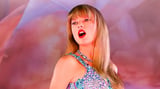
Creative Bloq • May 2, 2026
New fake Taylor Swift TikTok scam reveals scary reality of AI deepfakes