Supreme Court to Decide Future of Geofence Warrants and Digital Privacy Rights
May 23, 2026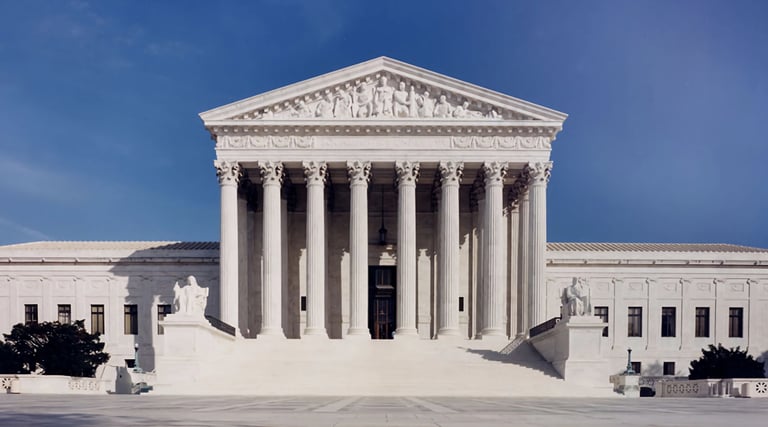

A core debate centers on whether consent via privacy policies suffices for government access, given the precision and permanence of location data.
Carpenter v. United States (2018) established a footprint for digital warrants but left open questions; Chatrie could redefine Fourth Amendment boundaries in the digital era.
Carpenter limited historical cell-site data use but did not resolve broader questions about digital privacy and warrant types.
Geofence warrants vary in scope (e.g., 150 meters to 2.5 square miles for 48 hours), and future restrictions may tighten limits depending on the Court's ruling.
Geofence warrants seek location histories from everyone in a defined area and time window to identify unknown suspects, raising alarms about broad, non-targeted searches.
Critics say geofence warrants can be constitutionally problematic or overly broad, resembling general warrants that sweep up data on all individuals rather than a specific suspect.
These warrants harvest data from all users within a geographic area and timeframe, not just known suspects, fueling concerns about broad surveillance and misidentification.
The Supreme Court is poised to rule on Chatrie v. United States about geofence warrants, with decisions expected by late June 2026 that could reshape Fourth Amendment privacy protections including AI chats, emails and cloud data.
The ruling would affect many platforms beyond Google, since numerous services collect and store location history, extending to cloud-stored data across the tech ecosystem.
Even with Google halting location history collection, many apps still gather precise location data, so the ruling could impact a broad swath of services and data types.
Location data can reveal identities and movements even when anonymized, challenging the idea of true anonymity.
The Court is examining geofence warrants under the Fourth Amendment and how law enforcement can obtain location data from tech companies.
Summary based on 2 sources
Get a daily email with more Tech stories
Sources
The Record • May 22, 2026
Why the Supreme Court's Chatrie case could change the meaning of privacy in America
Tech Times • May 23, 2026
Supreme Court Geofence Ruling Could Expose AI Chats, Keyword Searches to Police