Fireflies Illuminate Science: Bioluminescence, Mating Rituals, and Predator Deception Explored
June 28, 2026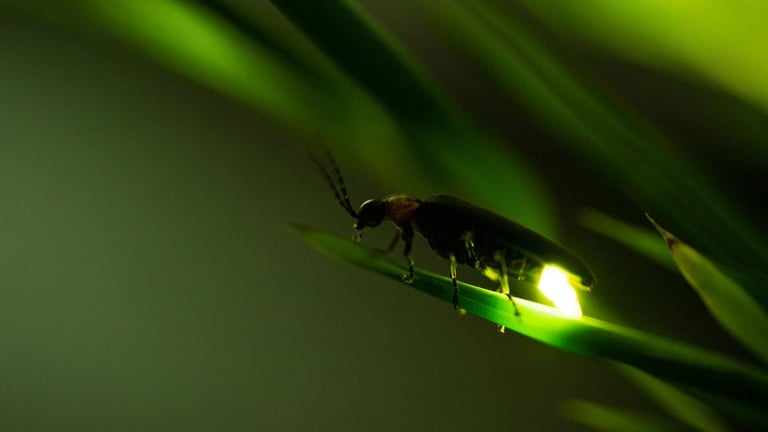

Firefly biology centers on bioluminescence, with larvae using light as a predator deterrent due to toxic lucibufagins and adults employing flashing signals for communication and mating, including distinct patterns evolved over millions of years.
Researcher profile: Clyde Sorenson, an entomology professor at North Carolina State University, studies fireflies, contributing to biodiversity knowledge and identifying a unique population in North Carolina’s Blue Ridge Mountains.
Global and regional diversity: There are over 2,000 recognized firefly species worldwide, with more than 170 in North America; the common eastern firefly is a prominent and easily observed species in the eastern U.S.
Ongoing research: Sorenson’s work continues to reveal the complexities of bioluminescence, signaling, and ecological roles, underscoring the scientific importance of fireflies.
Life cycle and energy efficiency: The larval stage can last up to two years, adults live only a few weeks primarily for reproduction, and fireflies convert nearly all chemical energy into light, showing extreme energy efficiency.
Mating displays: Fireflies engage in a mating dance of call-and-response flashing and pheromonal cues, with some species displaying synchronized flashing in places like Great Smoky Mountains National Park.
Bioluminescent mechanics and colors: Fireflies are bioluminescent beetles that produce light via the luciferin-luciferase-oxygen reaction, with emission colors ranging from yellow to green and occasionally blue.
Predator deception within Photuris: Some female fireflies mimic other species’ light patterns to lure male prey, then consume them and absorb their toxins for offspring protection.
Summary based on 1 source
Get a daily email with more Science stories
Source

SSBCrack News • Jun 28, 2026
The Fascinating Science Behind Fireflies' Glow and Their Mating Rituals - SSBCrack News