DARPA Funds UC San Diego's Ambitious Project to Engineer 'Smart' Red Blood Cells for Enhanced Endurance
August 31, 2026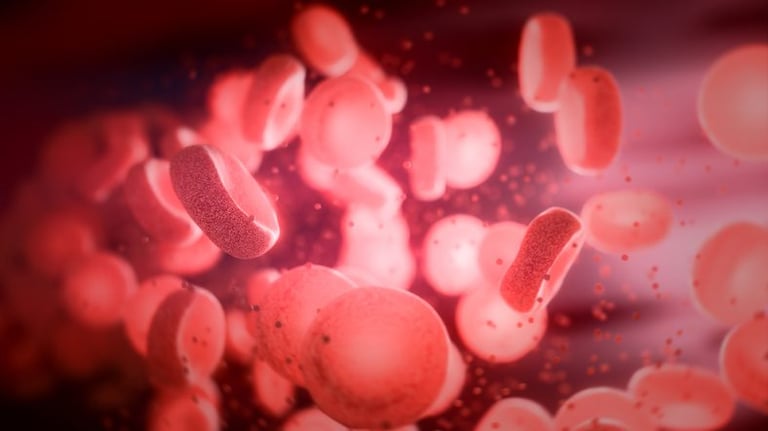


A DARPA-funded three-year project at UC San Diego aims to engineer “smart” red blood cells that can sense exertion and temporarily boost tissue oxygenation to enhance endurance and health, with potential military applications and broader implications for treating conditions tied to oxygen delivery.
Researchers will use gene-editing techniques and evaluate the engineered cells in a hollow-fiber bioreactor, focusing on optimizing performance before any human testing in this phase.
The work is designed as exploratory and high-risk but potentially transformative, aligning with DARPA’s moonshot mindset for ambitious biomedical innovation.
Led by Dr. Alejandro Chavez, with Dr. Hojun Li as coinvestigator, the study involves collaboration with Northeastern University, the University of Pennsylvania, and MIT, with UC San Diego coordinating the effort.
The project highlights the broader potential of red blood cell engineering, including future applications in cancer detection and treatment as the foundational science advances.
DARPA’s moonshot-style leadership emphasizes aggressive, mission-oriented biomedical goals and UC San Diego’s commitment to cutting-edge science.
The project spans three years and is funded by the Defense Advanced Research Projects Agency, a component of the U.S. Department of Defense.
Lead investigator Alejandro Chavez describes this work as the next step in a rapidly evolving field of regenerative medicine centered on engineered blood cells.
Project statements stress the moonshot nature of the funding and the potential to revolutionize red blood cell engineering and broader biomedical science.
Future developments could enable earlier disease detection and targeted treatments at microscopic levels as the technology matures.
Current research will not involve human testing, concentrating on cell engineering and bioreactor testing to lay groundwork for future translational steps.
UC San Diego researchers received a contract worth up to about $11.3 million from DARPA to develop optimized red blood cells that can temporarily boost oxygen delivery and human performance.
Summary based on 6 sources
Get a daily email with more Tech stories
Sources

California Post • Sep 1, 2026
UC San Diego scientists score $11M to develop ‘smart’ blood cells to supercharge soldiers
UC San Diego Homepage
UC San Diego Receives Up To $11.3 Million to Develop Smarter Red Blood Cells
Newswise • Aug 31, 2026
UC San Diego Receives Up To $11.3 Million to Develop Smarter Red Blood Cells | Newswise
News-Medical • Aug 31, 2026
UC San Diego researchers win DARPA award to develop improved red blood cells