ANKRD11 Gene Knockout Boosts T Cell Effectiveness Against Chronic Infections and Cancer
September 11, 2026

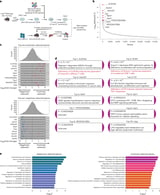
A genome-wide CRISPR-C Cas9 knockout screen identifies ANKRD11 as a key brake on CD8+ T cell function; its loss enhances T cell proliferation and preserves effector characteristics under chronic antigen stimulation.
The study uses a humanized HLA-A11 mouse model and an HBV epitope-specific TCR to study HBV-specific CD8+ T cells in a physiologically relevant setting.
ANKRD11 acts as a chromatin regulator that suppresses CD8+ T cell effector differentiation, contributing to T cell exhaustion in chronic hepatitis B infection and in cancer.
In tumor models, Ankrd11-deficient T cells promote tumor rejection, increase intratumoral T cell activity, and synergize with PD-1 checkpoint blockade to improve antitumor immunity.
CUT&Tag data are available under accession GSE299521, while ATAC-seq data are available under accession GSE299519.
Bulk RNA-seq data are deposited in NCBI GEO under accession GSE299520.
There was no original code generated or used in the study.
Caveats include ANKRD11’s broad role in neural and cardiac development, implying systemic inhibition may be unsafe; therapeutic approaches will likely rely on engineered T cells or targeted delivery, and long-term memory formation after accelerated differentiation needs further study.
The findings support chromatin-level control of T cell exhaustion that can be reprogrammed, suggesting immunotherapy potential through ex vivo T cell engineering or targeted delivery, with a provisional patent filed.
Ankrd11-deficient HBV-specific T cells show greater expansion, better liver infiltration, and reduced HBV markers and liver damage in chronic infection models; similar improvements are seen in chronic LCMV models.
Mechanistically, ANKRD11 deficiency increases chromatin openness and H3K27 acetylation at AP-1 loci (Fos, Fosb), elevating AP-1 activity and driving an effector differentiation program with higher granzyme B and IFN-γ production.
Ankrd11 deficiency accelerates progenitor exhausted T cells toward an active cytotoxic effector-like state, enabling tolerance-bearing cells to become functional effectors.
Summary based on 2 sources
Get a daily email with more Science stories
Sources

BIOENGINEER.ORG • Sep 12, 2026
Chromatin Regulator ANKRD11 Emerges as Switch That Reinvigorates Exhausted