Oscars Transition to YouTube in 2029 for Global, Interactive Experience
September 26, 2026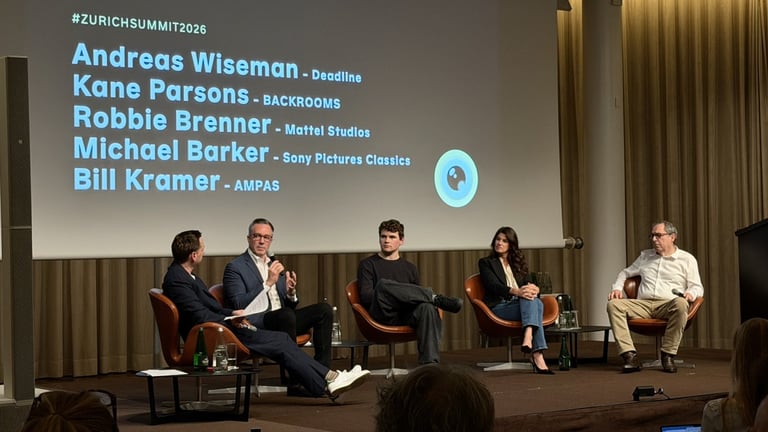

The Oscars are moving to YouTube in 2029 as a strategic shift to reach a global, younger, and more diverse audience, while preserving the ceremony’s television roots.
AMPAS CEO frames the move as necessary for future growth, not a risk, and highlights ongoing discussions with YouTube leadership about interactive viewing and engagement tools.
The announcement comes during the 22nd Zurich Film Festival, where Kramer outlined the Academy’s evolving distribution strategy.
The YouTube deal will extend beyond the ceremony to extensive related content, including red carpet coverage, behind-the-scenes material, nominations announcements, Governors Awards, and Academy programs and interviews.
The shift aims to enable more interactive and deeply engaging ways to watch, with continuous collaboration with YouTube on format and engagement features.
The 2029 move is framed within a broader strategy of platform experimentation, including potential implications for venues and streaming partners, as audiences increasingly consume content online.
The deal seeks to build on the Academy’s revenue model, which generated around $150 million in 2024–2025 from TV rights, by expanding reach on YouTube.
The push comes amid a ratings dip for the 2026 Oscars on ABC and Hulu, underscoring the need to diversify distribution beyond traditional broadcast.
Kramer asserts the Oscars are fundamentally a television show and should be accessible on YouTube in multiple languages to maximize reach and engagement.
The partnership with Disney will continue for two more years, with ongoing talks with YouTube CEO Neal Mohan to deliver a more interactive Oscars experience.
The Academy plans a 2029 transition to YouTube with a “different-looking” ceremony that preserves the event’s appeal while embracing the platform.
Kramer and panelists described the transition as a response to changing media consumption, aiming to align with broader trends and the potential return of theatrical interest in a new digital era.
Summary based on 2 sources
Get a daily email with more Entertainment stories
Sources

The Hollywood Reporter • Sep 26, 2026
Academy CEO Bill Kramer Doubles Down on YouTube Move: “You’ll See a Very Different-Looking Oscars”
AV Club • Sep 26, 2026
Oscars on YouTube will be a “different-looking” ceremony, assures Academy CEO