Revolutionizing Brain Health: Multi-Organ Imaging Genetics and AI Uncover New Insights
October 19, 2026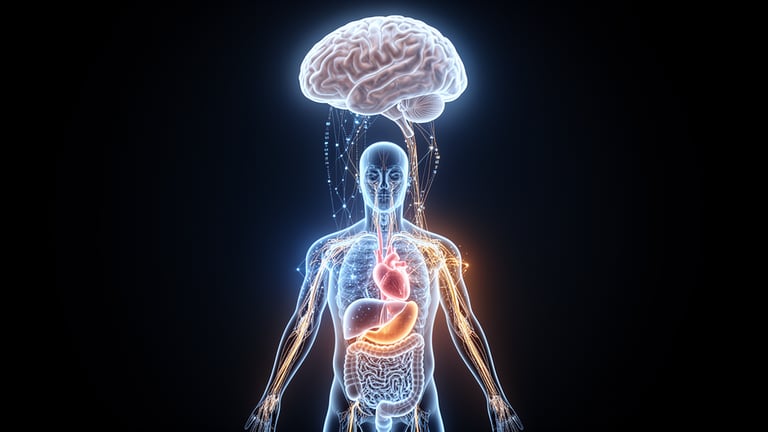

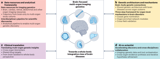
The piece argues for a brain-focused, multi-organ imaging genetics approach, treating the brain as part of a whole-body network to uncover genetic links between neurological disorders and imaging traits across heart, retina, liver, vasculature, and skeleton.
Overall, it promotes an integrated, cross-organ, genetics-informed view of brain health using imaging, genomics, and large-scale biobanks.
By linking heart, brain, and other organs through imaging genetics, the collection frames a brain–body perspective built on multi-organ approaches.
AI and agentic co-scientists are proposed as essential for managing data scale and analyses, coordinating GWAS, fine-mapping, network construction, and cross-field validation.
The field rests on large-scale resources and consortia, including UK Biobank and ENIGMA.
A three-step pipeline moves from association to causal inference: (1) causal gene nomination via fine-mapping and tissue-level data; (2) organ-enriched network modules from protein interactions; (3) cross-field validation across independent datasets.
Aging research across organs is discussed, examining aging patterns and mortality implications.
Methodological and AI-related perspectives are highlighted, including AI agents and Co-Scientist concepts for hypothesis generation.
Clinical angles include guidelines for brain–heart multimorbidity management and Mendelian randomization approaches for multi-organ causal links.
Foundational studies map heart–brain correlations via MRI and reveal heart–brain–liver axes through UK Biobank imaging.
Imaging-derived phenotypes are used to quantify structure and function across organs, enabling GWAS on thousands of phenotypes in large datasets.
Mendelian randomization tests bidirectional causal relationships between brain imaging traits and conditions like stroke and dementia, informing potential drug targets.
Summary based on 2 sources
Get a daily email with more Science stories
Sources
BIOENGINEER.ORG • Oct 19, 2026
How Whole-Body Imaging Genetics Is Rewriting the Map of Brain Disease