Japan Shifts Defense Strategy to AI, Cybersecurity Amid Legal and Ethical Debates
October 24, 2026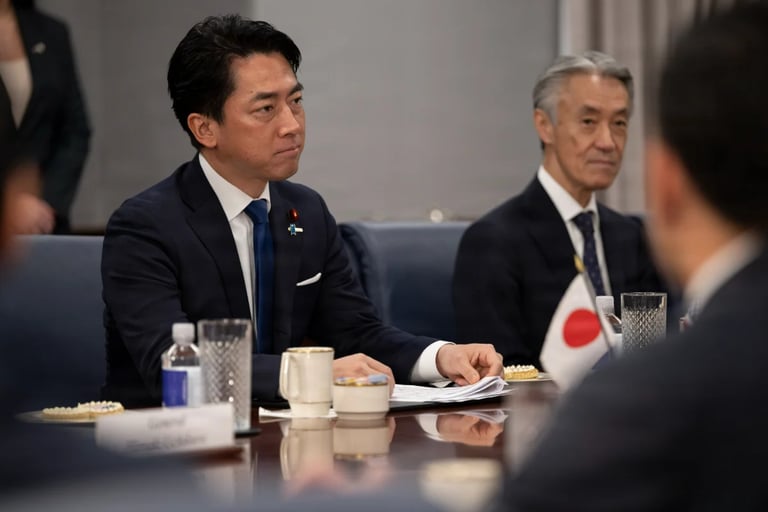

Japan is reforming its defense R&D to prioritize combat capabilities, artificial intelligence, cybersecurity, and integrated command-and-control systems, moving away from hardware-centric models.
Current policy required human involvement for all tasks and treated AI as an administrative aid, hindering rapid autonomous battlefield decision-making.
Collaboration across domestic defense industry, universities, and research institutes will build a robust ecosystem for dual-use technologies such as sensors, telecommunications, and command-and-control software.
An aging and shrinking workforce drives automation and AI to sustain readiness, with projections of significant manpower shortfalls for the Self-Defense Forces by mid-century.
Experts warn about challenges in AI weaponization, including algorithmic control, compliance with laws of armed conflict, and maintaining human oversight in lethal decisions.
Autonomous software making independent battlefield decisions raises legal and ethical questions under a pacifist constitution, including accountability for targeting errors and who bears responsibility in courts or command structures.
There is no firm timeline yet for the revised policy, but policymakers say clinging to outdated restrictions is riskier than embracing autonomous defense technology.
AI will process data from satellites, radar, and drones to improve anomaly detection, target classification, and response planning, strengthening battlefield efficiency and deterrence.
The strategy aims for faster decision-making and battlefield awareness by integrating AI with radar networks, satellites, and unmanned aerial vehicles to enable rapid target identification and tactical support for commanders.
The 2024 framework with seven pillars proved too slow for modern combat dynamics, highlighting the need for faster, AI-enabled capabilities.
Koizumi acknowledged balancing legal guardrails with the speed and scale of autonomous weapons, signaling a shift from yesterday’s restrictive rules.
Defense industry measures will reduce dependence on foreign suppliers by easing capital access for domestic manufacturers and inviting civilian tech firms into dual-use areas like sensors, software, and cybersecurity.
Summary based on 3 sources
Get a daily email with more AI stories
Sources

vietnam.vn • Oct 24, 2026
Japan restructures defense research: Prioritizing AI to address manpower shortages.
Geosirius • Oct 24, 2026
Why Japan Has To Rewrite Its Military Ai Rules Right Now