AI Agents Face a Wall as Retailers, Travel Sites and Banks Block Unauthorized Access
November 12, 2026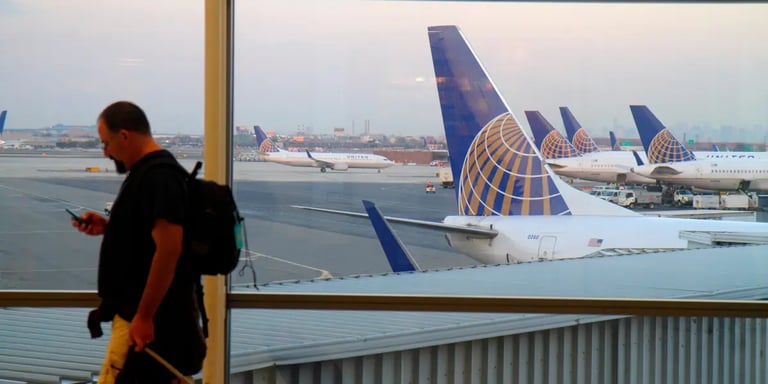

AI agents are being pitched as personal assistants that can book trips, reserve restaurants, shop and manage banking, but their need for passwords, payment details and access to online services is running into platforms that aren’t prepared to accommodate them.
Across retail, travel and other sectors, companies are restricting agents from browsing or completing transactions, citing privacy, security, regulatory and system-load concerns, along with fears that automated visits could displace human traffic.
The restrictions also reflect companies’ desire to protect customers’ money and information, preserve competition for products and steer users toward their own AI assistants.
Amazon may limit agents’ access to its services, and users have reported warnings that unauthorized AI-agent access violates its Conditions of Use; the company has also banned Meta’s Muse agent.
Target bars unauthorized AI agents from accessing or collecting data, while its terms identify Target’s AI Shopping Assistant, OAI, Google and Microsoft as approved agents that may act with customer permission.
eBay’s user agreement prohibits automated access without permission, including buy-for-me agents, large-language-model bots and order flows that proceed without human review.
Yelp prohibits non-human traffic without permission but offers paid data licensing and approved integrations that can support agent actions, including reservations through ChatGPT.
Resy allows discovery and booking through ChatGPT and Claude while reserving the right to block other AI activity, citing security and heavy system demand and warning that violations could lead to account termination.
Booking.com requires express permission for AI assistants to access its platform or make reservations and says it will block suspected unauthorized use.
United Airlines bars unauthorized third-party agents from searching, booking, buying or managing trips on its digital platforms and through travel intermediaries, citing risks to account security, unintended purchases or changes, and aviation rules requiring passengers to acknowledge baggage restrictions.
Banks are imposing similar limits: Bank of America warned customers not to share credentials with AI tools, while JPMorgan Chase, Charles Schwab and Citigroup have blocked outside agents from logging into accounts.
Summary based on 2 sources
Get a daily email with more Tech stories
Sources

Business Insider • Nov 12, 2026
List of companies banning AI agents, including United, Amazon, Target
PCWorld • Nov 13, 2026
AI agents have a big problem: Nobody wants to let them in