Japan Targets Vietnam Nuclear Deal to Revive Industry and Expand Influence in Southeast Asia
November 15, 2026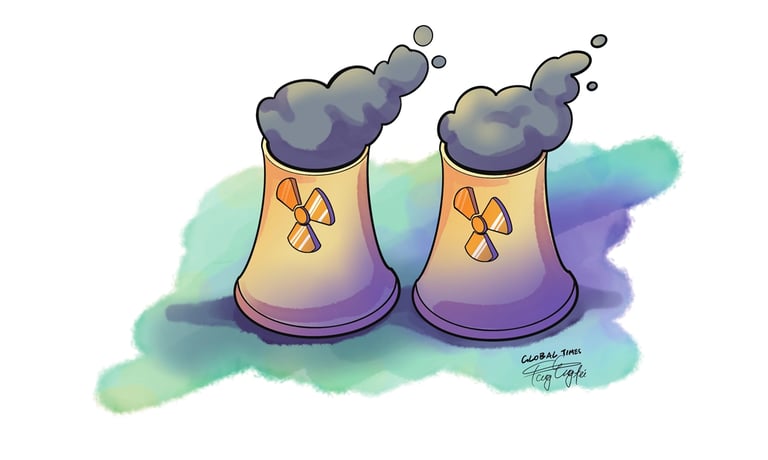

Japan is pursuing a nuclear-power partnership with Vietnam as the Philippines and other Asian countries also consider building nuclear plants, including small modular reactors (SMRs).
Japan’s economy ministry is working toward a cooperation memorandum with the Asian Development Bank (ADB) to help Asian countries introduce nuclear power and open the region’s expected growth market to Japanese companies.
The ADB changed its policy last year to permit funding for member nations introducing nuclear power, after previously withholding support for nuclear projects.
Under a separate memorandum of understanding with Vietnam, Japan has proposed SMR technology, training and financial support for a project that could begin operating after 2040; if it proceeds, Vietnam would be the first Southeast Asian country to adopt Japanese nuclear technology.
Economy, Trade and Industry Minister Akazawa Ryosei is scheduled to meet ADB president Kanda Masato in Manila on Monday during an international conference, as Japan and the ADB coordinate toward signing their memorandum.
The push overseas comes as Japan’s domestic nuclear market remains constrained: 15 of its 33 operable reactors have resumed commercial operations, and commissioning dates for three reactors under construction remain uncertain. A government roadmap prioritizes overseas expansion, backed by a network of about 400 companies.
Japan’s earlier bid to build the Ninh Thuan-II plant in Vietnam stalled, with Vietnam’s National Assembly canceling the project in 2016 after limited progress; Japan withdrew from a revived large-scale plan in November 2025 because it could not meet Vietnam’s target of operation before 2035.
The article attributes Japan’s renewed bid to three aims: sustaining its struggling nuclear industry, expanding its geopolitical influence in Southeast Asia and gaining access to Vietnam’s rare-earth and other critical-mineral resources.
It also argues that nuclear ties could give Japan greater influence over Vietnam’s strategic choices, reinforcing its Indo-Pacific agenda and efforts to deepen security cooperation with Hanoi.
The article raises questions about safety and accountability, citing the Fukushima disaster and the release of more than 180,000 tons of contaminated water since August 2023; it says Vietnam should seek clear commitments on responsibility and risk management if an accident occurs.
It further flags proliferation concerns, pointing to Japan’s commercial reprocessing capabilities and plutonium stockpile, debate over easing the Three Non-Nuclear Principles, and consideration of nuclear-powered submarines. The article questions how reliable Japan’s peaceful-use assurances would remain if its strategic priorities changed.
Summary based on 2 sources
Get a daily email with more World News stories
Sources
NHK WORLD • Nov 15, 2026
Japan, ADB to support nuclear plant introduction in Asia
Global Times • Nov 15, 2026
Japan seeks more than energy deals in its nuclear pitch to Vietnam