Google Gemini Can Analyze Wallet Spending—But Privacy and Ad-Targeting Questions Remain
November 23, 2026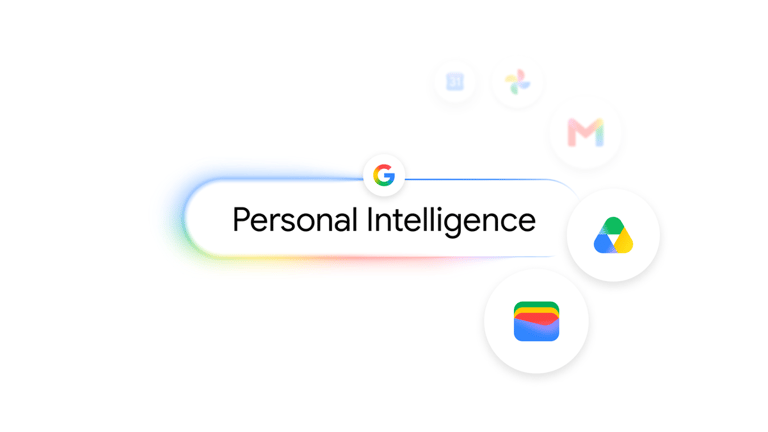

Google is rolling out a feature that connects Google Wallet, Drive and the Gemini app to Personal Intelligence in AI Mode, so Search can use more of a person’s context to tailor responses.
The integrations are opt-in and can be turned off; a “Personalization” label lets users inspect which connected information informed an answer.
Wallet-based insights draw on transaction history and receipts in Gmail, rather than direct access to a bank account, and may be limited for people who rarely use Wallet.
In one test, Gemini flagged frequent fast-food meals and specialty coffees, estimating that cutting each to twice a week could save about $30 a week, or $1,500 a year.
Gemini also charted recurring subscriptions by price, category, payment card and billing period, then suggested free alternatives.
Wallet integration may also bring details such as boarding passes, event tickets, loyalty cards and shipping updates into personalized responses, depending on the data involved.
The feature is read-only: AI Mode can analyze account information but cannot move money.
That safeguard does not eliminate privacy risks, including sensitive spending details appearing on shared screens, inaccurate or outdated summaries, and permissions that may need revisiting as the features evolve.
Google’s help documentation says summaries, excerpts, generated media and inferences from connected content may be used to train models, and some interactions may be reviewed by people; disconnecting an app does not erase existing Search Services History.
Agency executives stressed that users should understand and separately choose whether financial information shared for budgeting can also influence advertising, warning that ads based on inferred financial circumstances could undermine trust.
Personal context and spending patterns could indirectly help Google infer shoppers’ needs and spending capacity, shaping ad targeting and auctions without advertisers directly receiving transaction or personal-file data.
That may make ads more relevant, but media buyers could have less access to the signals behind campaign performance, making independent audience analysis and attribution harder and increasing reliance on Google’s reporting.
Summary based on 55 sources
Get a daily email with more Tech stories
Sources

All About Cookies • Nov 24, 2026
Google Expands AI Search To Find Your Financial and Private Documents
TechCrunch • Nov 23, 2026
Google Search’s AI Mode can now tap into Drive and Wallet for more personalized responses
Google • Nov 23, 2026
A more tailored Google Search that’s uniquely yours
ZDNET • Nov 24, 2026
I gave Gemini access to my Wallet, and it immediately started saving me money