Funding Cuts Threaten to Reverse Decades of Progress in Global Fight Against HIV/AIDS
December 1, 2025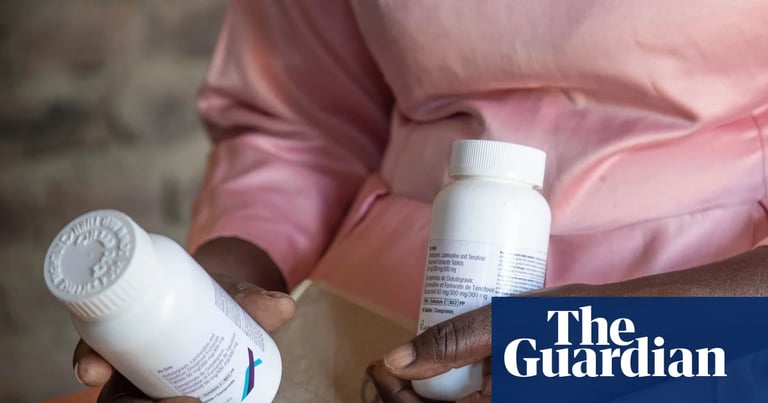

A global funding downturn for HIV/AIDS threatens to reverse decades of progress, risking millions more infections by 2030, with women and children in sub-Saharan Africa bearing the heaviest burden.
World AIDS Day 2025 in Botswana brings into focus anxiety over funding cuts that could derail hard-won gains in the region.
A UNAIDS report estimates that funding reductions could drive approximately 3.9 million additional HIV infections by 2030.
Despite the headwinds, some countries are renewing domestic funding and beginning steps toward more sustainable, homegrown HIV responses.
Innovations like long-acting injectable PrEP and new treatments are gaining momentum, alongside calls for political courage to invest in prevention, community-led services, and human rights protections.
Analyst Garnett warns against disinvestment, stressing that any rollback will be gradual but deeply impactful across years and generations.
AIDS is framed as a slow-moving epidemic requiring long-term commitments, unlike rapid threats such as influenza or COVID-19, underscoring the need to preserve global collaboration and monitoring.
There is an urgent case for investment to maintain testing, treatment supplies, PMTCT, and community-led outreach efforts.
Winnie Byanyima of UNAIDS emphasizes sustained investment in prevention, innovation, and human rights to end AIDS.
Country-level impacts include closures of LGBTQ+-friendly and community-led services, stockouts of test kits, and rising HIV-related deaths in Zimbabwe, with notable gaps in prevention for key populations.
Past achievements include a 67% drop in new infections since 2001 and the successful prevention of mother-to-child transmission, supported by government action and ARV access.
In Europe, late diagnoses and treatment gaps persist, contributing to ongoing transmission despite advances in treatment.
Summary based on 6 sources
Get a daily email with more World News stories
Sources

The Guardian • Dec 1, 2025
How the cuts have shaken HIV/Aids care to its core and will mean millions more infections ahead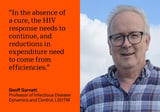
The Star • Dec 1, 2025
The alarming impact of funding reductions on HIV and AIDS initiatives
AfricaBrief • Dec 1, 2025
Funding Cuts Threaten Botswana’s HIV Fight as Activist Calls for Action