Eastern Congo Faces Crisis as Free Maternity Care Ends Amid Conflict and Rising Maternal Deaths
December 11, 2025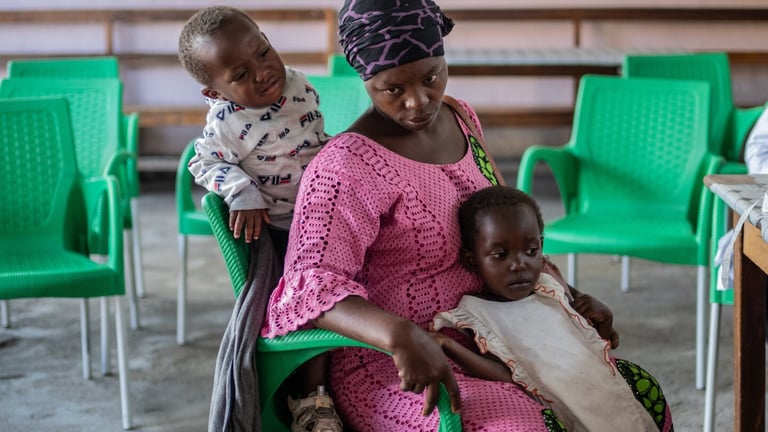

Eastern Congo mothers are facing rising maternal deaths as the government ends a free maternity care program, leaving many unable to afford hospital deliveries.
The ongoing conflict with M23 rebels and widespread looting and violence has disrupted supply chains, water, electricity, and basic public services, worsening access to healthcare for pregnant women.
Aid agencies warn that interruptions to obstetric services due to conflict typically raise maternal mortality, underscoring the urgency of accessible emergency obstetric care.
Experts describe a broader humanitarian crisis: thousands displaced (over 700,000), medicine shortages, and hospital disruptions including attacks, blocked ambulances, and staff threats.
Local health workers and families report coping strains: unemployment, bank closures, rising prices, depopulated resources, and severe financial hardship for families like Nabudeba’s before delivery.
Clinics report higher demand for paid services (roughly $5–$10 per birth) while the majority of people live on less than $2.15 a day, with medicine shortages and staff departures in some facilities.
Since January 2025, conflict—especially M23 seizures of Goma and Bukavu—has caused mass displacement (over 700,000) and a collapse of public services, including healthcare.
Ongoing fighting has disrupted medical supplies and left infrastructure and the region’s economy in collapse in Goma, the humanitarian and commercial hub.
The humanitarian situation worsens as rebels control key cities, displacing thousands and severely disrupting public services and critical infrastructure.
Rwanda’s government and international actors are cited in regional stability and health sector investment discussions, while Congo’s authorities did not respond to questions about the program’s termination.
Residents report immediate hardships: women struggle to access prenatal care and fear paying for delivery, with hunger and instability intensifying the risk.
Community members express anxiety about giving birth amid rising prices and limited care, with several women postponing or avoiding hospital deliveries.
Summary based on 4 sources
Get a daily email with more World News stories
Sources
AP News • Dec 11, 2025
A free childbirth program ends in eastern Congo at the worst of times | AP News
Africanews • Dec 11, 2025
Mothers in eastern Congo fear rising maternal deaths as free care program ends
Africanews • Dec 11, 2025
Mothers at risk as free maternity care ends in Congo
Goshen News • Dec 11, 2025
Congo Childbirth Under Fire