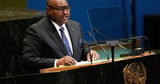
African Nations Reject U.S. Health Deals Over Data Privacy, Mineral Access Concerns
May 5, 2026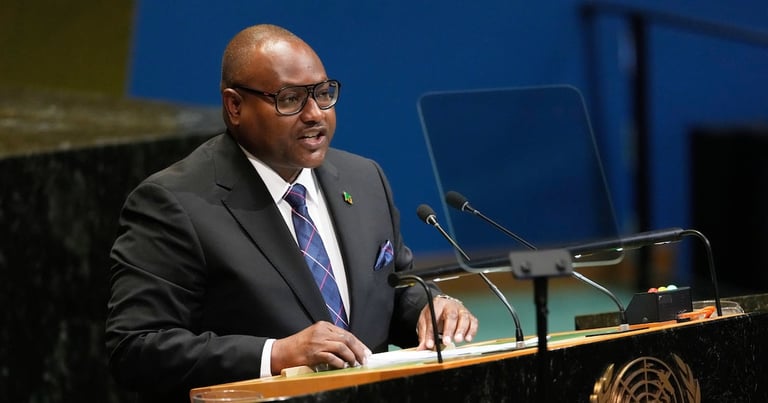

Several African nations, including Ghana, Zimbabwe, Kenya, and Lesotho, have criticized or rejected U.S. health funding deals over concerns about access to sensitive health data, privacy, and one-way data flows that could primarily benefit Washington.
Health experts warn these agreements could create a parallel global health system, reduce overall funding, and tie aid to tighter domestic spending conditions and U.S. political and commercial interests, undermining transparency.
Experts also warn the deals could limit access to vaccines and treatments for African countries, echoing fears from the COVID era about data and resource equity.
Zambia’s foreign minister disclosed for the first time that talks have stalled after months of impasse.
The U.S. State Department has not publicly commented on the negotiations.
The excerpt notes only a $2 billion health assistance figure and a general reference to 'critical minerals,' with no further mineral details, dates, or figures.
The proposed package amounts to $2 billion over five years, starting with about $320 million in the first year and declining to roughly $112 million annually by 2030.
Analysts frame the talks within broader competition for critical minerals, implying strategic and economic motives behind aid discussions.
Zambia has said talks with the United States on the health funding deal are deadlocked after an extended impasse.
The U.S. Embassy did not respond to request for comment, while China’s prominent role in Africa’s minerals frames part of the broader context and U.S. counterstrategy.
Zambia accuses the U.S. of tying a $2 billion health deal to access to Zambia’s critical minerals, and officials dismiss the outgoing ambassador’s corruption remarks as mischievous and undiplomatic.
Outgoing U.S. ambassador Michael Gonzales’s remarks are viewed in Zambia as misaligned with mutual respect, with the foreign minister weighing in publicly.
Summary based on 11 sources
Get a daily email with more World News stories
Sources
AP News • May 5, 2026
Zambia accuses US of tying $2B health deal to mineral access | AP News
The Washington Post • May 5, 2026
Zambia blasts the US over a $2 billion health deal in exchange for critical minerals
ABC News • May 5, 2026
Zambia blasts the US over a $2 billion health deal in exchange for critical minerals