Kenya Transport Strike Over Fuel Hikes Paralyzes Business, Government Promises Relief Measures
May 19, 2026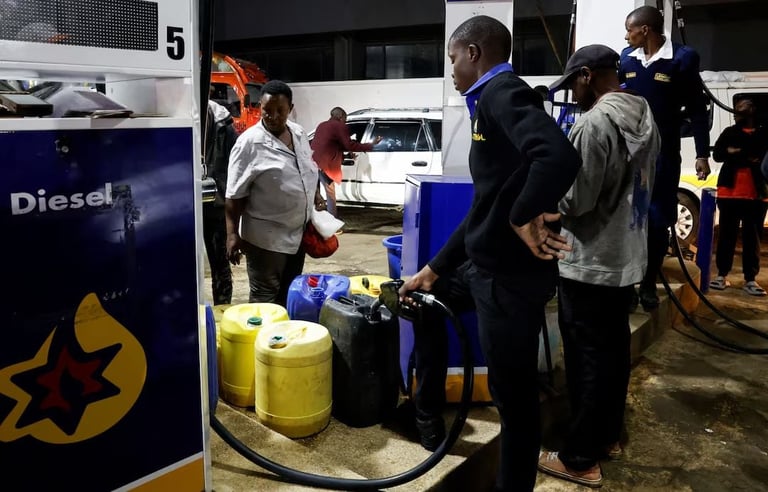

A nationwide strike by Kenyan public transport operators disrupted travel and paralysed business activity as protests erupted over the recent fuel price increases.
The protests were triggered by the Energy and Petroleum Regulatory Authority’s May pricing review, which raised Super Petrol by 16.65 shillings per litre and Diesel by 46.29 shillings per litre for the 15 May–14 June 2026 cycle.
Analysts cite global oil price movements, higher costs for imported refined products, and geopolitical tensions as drivers of the price rise, with knock-on effects on transport, electricity, food, and overall living costs.
Reporting on the situation was produced by Georja Calvin-Smith and Guillaume Gougeon, the journalists behind the segment.
The National Public Service (NPS) urged calm, advised people to continue daily activities, and called on the public to report emergencies or suspicious activity to authorities, urging peaceful conduct.
In response, the government outlined policy measures to cushion the impact, including reducing VAT on petroleum products from 16% to 8%, using the PDL stabilisation mechanism to offset diesel and kerosene costs, and a government-to-government fuel import framework.
Authorities said petroleum stocks remain adequate and ongoing stakeholder engagement is underway to identify practical measures to minimize price shocks, while warning against exploitative market practices.
Several businesses reported delays as employees failed to report to work on time and some establishments remained closed.
Officials noted that a minority of matatu operators organized the strike, while UTACK distanced itself and continued operations under its banner.
The government said most transport sector stakeholders were expected to continue operating normally, despite the action.
Treasury Minister John Mbadi criticized the strike as unnecessary and warned that domestic measures alone cannot solve a global problem, stressing informed government decisions.
By early morning, bus stages were quiet, private cars and boda bodas were scarce, and long queues formed at typical pickup points.
Summary based on 32 sources
Get a daily email with more World News stories
Sources

AP News • May 18, 2026
Kenya's capital hit by protests as fuel prices spark transport strike | AP News
Yahoo News • May 18, 2026
Protesters light bonfires during public transport strike in Kenya over fuel prices
allAfrica.com • May 18, 2026
Kenya: NPS Assures Public of Security As Nationwide Psv Strike Begins Over Fuel Prices
BBC News • May 18, 2026
Kenya matatu strike over high fuel prices paralyses transport