Anthropic Seeks Diverse Faith Input for Ethical AI, Avoids One-Size-Fits-All Approach
October 25, 2026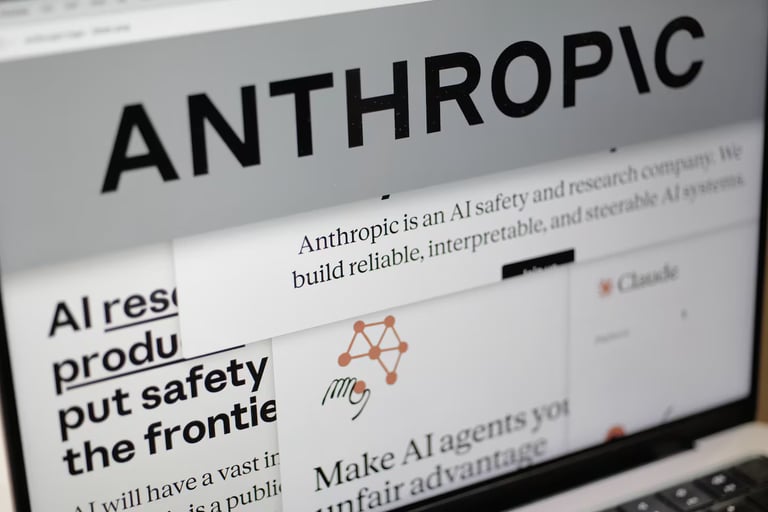

Experts warn that treating religion as a universal set of extractable moral principles risks oversimplifying complex traditions and may privilege some belief systems over others if scriptural or doctrine-focused views are assumed to be universally applicable to AI ethics.
Anthropic meets with religious leaders and scholars to seek inclusive input from multiple faiths; the company cites engagement with scholars and clergy from more than 15 religious and cross-cultural groups, with other tech giants having conversations with Vatican representatives.
Anthropic emphasizes drawing from a broad range of religious, secular, and political viewpoints to form a collective understanding of good character for AI, rather than aligning with any single tradition.
Reporting frames the effort as legitimacy-building and positioning rather than immediate model changes, contracts, or product rules, with no measured outcomes yet confirmed.
Practical guidance for developers and buyers includes requesting documentation, running internal tests, treating consultation news as context, maintaining human review for sensitive topics, and monitoring vendor policy changes.
Five predictions suggest more labs will publicize consultations, demand for documentation will rise, pluralism will become marketing language, policymakers will integrate moral input into rules, and independent testing of model values will grow.
Market impact centers on trust and branding rather than immediate financial moves, with potential implications for procurement and user trust in diverse, multi-faith contexts.
Media outlets highlight the complexity and gaps between moral input and actual system behavior, noting tradition conflicts, advisory nature of consultation, and the need for verifiable proof.
A four-approach framework is proposed for teaching machines values: religious consultation, secular ethics, written principles, and governance/oversight, advocating a multi-faceted strategy over a single method.
Historical context traces ethics governance from internal ethics boards to Vatican involvement, underscoring the scale, speed, and public-facing nature of modern AI ethics debates.
Technology leaders stress inclusive engagement, including discussions on sensitive questions such as whether AI should address topics like souls or education for young users.
The report notes ongoing industry dialogue with religious scholars, philosophers, and ethicists to shape responsible AI without turning religion into a universal ethics toolkit.
Summary based on 19 sources
Get a daily email with more AI stories
Sources




The Boston Globe • Oct 25, 2026
To make AI morally good, tech companies are turning to religion