AI Voice Replication Sparks Legal Battle: Google Denies Allegations of Misusing Actor's Likeness
February 15, 2026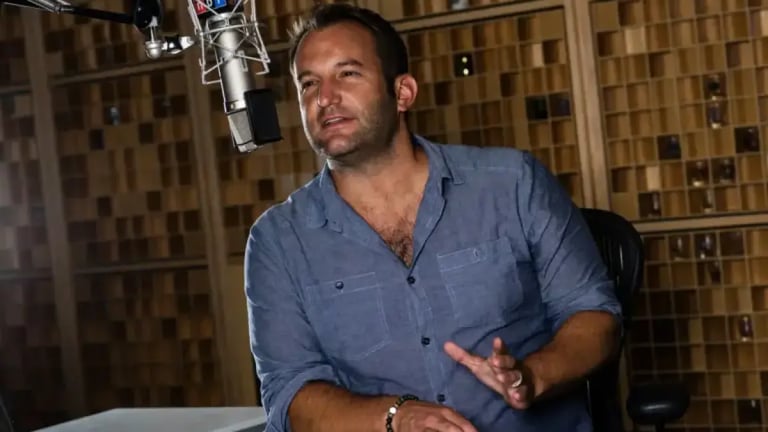

Greene emphasizes his voice is an identity cornerstone and worries about misrepresentation by AI, seeking damages and an injunction.
The case centers on whether an AI voice that closely resembles a real person infringes rights and risks monetization for Greene.
The dispute sits at the center of a broader fight over AI voice replication, consent, attribution, and ownership as AI-enabled media expands.
Legal questions loom about AI likeness rights, copyright, and who owns or can license synthetic voices as the field evolves.
Observers frame this case as part of a growing wave of AI-generated content debates about consent, attribution, and ownership.
Google says the NotebookLM male voice is not Greene's likeness but comes from a paid professional actor, with voice synthesis built on licensed data.
Google denies the allegations, asserting their voice work is by a hired actor and operates within legal boundaries using licensed data.
Google reiterates the voice is based on a professional actor, not Greene’s likeness.
Greene was alerted in fall 2024 by a former colleague that a voice sounding like his had appeared in AI content and asked whether he had licensed it.
A former colleague raised concerns via email in fall 2024 about NotebookLM’s AI voice resembling Greene’s.
The licensing or rights to Greene’s voice were questioned after the colleague noticed the likeness.
Experts weigh factors such as degree of resemblance, fame-based recognition thresholds, and potential harm to a creator’s reputation and opportunities.
Summary based on 11 sources
Get a daily email with more Tech stories
Sources
The Washington Post • Feb 15, 2026
He spent decades perfecting his voice. Now he says Google stole it.
Digital Trends • Feb 16, 2026
‘Hey, that’s my voice!’ Veteran broadcaster claims Google stole his voice for AI tool
The Philadelphia Inquirer • Feb 15, 2026
He spent decades perfecting his voice, but now he says Google stole it
The Daily Wire • Feb 15, 2026
Familiar Voice Sparks Legal Showdown Between NPR Host And Google