Indie Game Publisher Finji Accuses TikTok of Unauthorized AI-Altered Ads, Demands Apology
February 20, 2026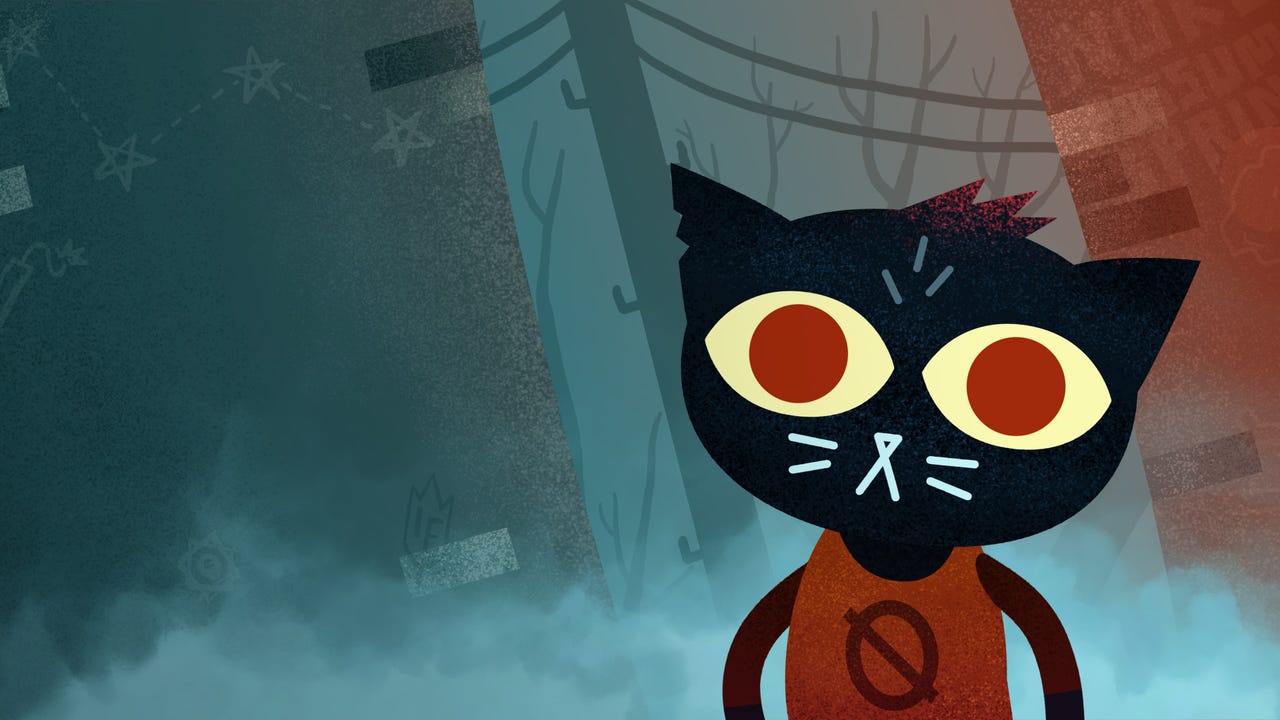


TikTok asserted the internal automated initiative could modify ads via Smart Creative and Automate Creative tools, but Finji had those options turned off, a point confirmed by a TikTok agent.
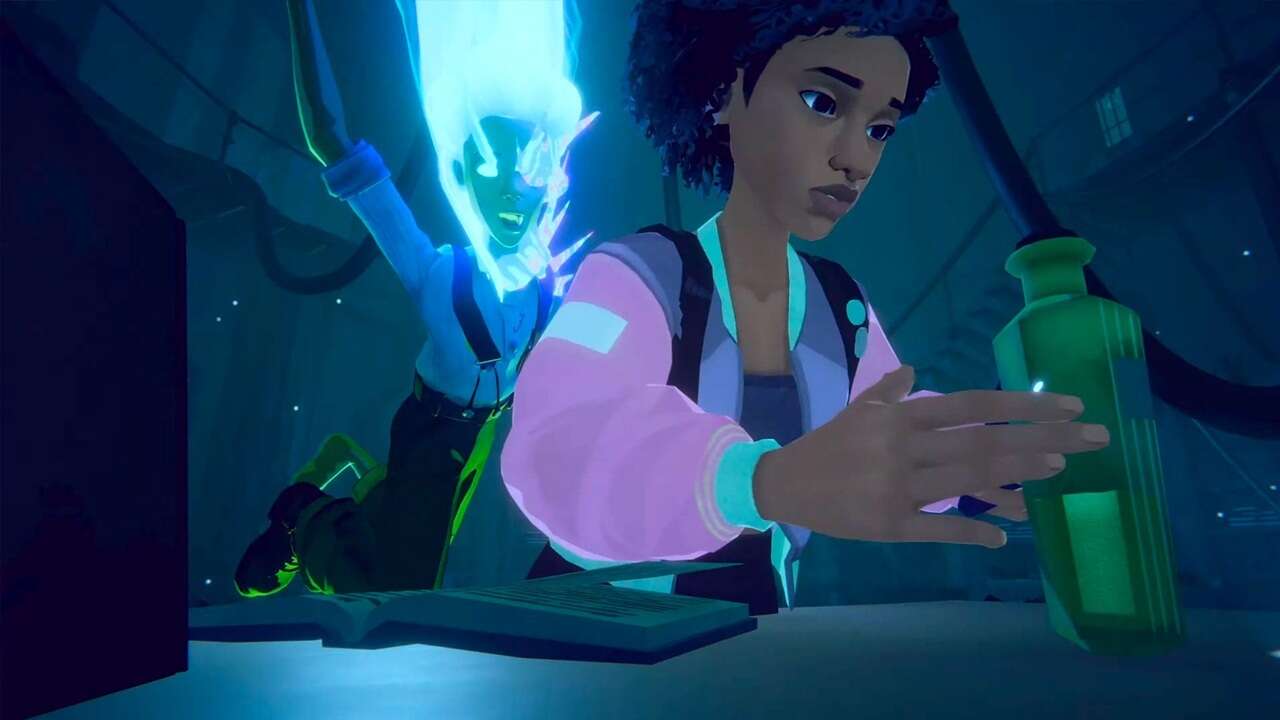
Finji, the indie publisher behind Night in the Woods, Tunic, and Usual June, alleges that TikTok used generative AI to alter Finji’s ads without consent, including a highly inappropriate stereotype of a character from Usual June.
GameDeveloper.com reached out to both Finji and TikTok for comment and planned to update readers as responses come in.
The report identifies Finji as the publisher of acclaimed titles such as Night in the Woods, Tunic, and Usual June, placing the dispute within its broader gaming-industry profile.
Saltsman described the episode as embarrassing and harmful to Finji’s reputation, underscoring the need for accountability and an apology from TikTok.
TikTok likewise declined to comment on the record about the incident.
At the time of reporting, TikTok declined to comment on the record, while Finji pressed for accountability, systemic changes, and a clear explanation for why AI-generated assets appeared without consent.
Finji reported a lack of timely updates from TikTok despite repeated follow-ups, and TikTok’s on-record responses remained unavailable.
TikTok later framed the issue as part of an automated catalog ads initiative meant to boost performance, suggesting a 1.4x ROAS lift for campaigns using mixed assets and offering to opt Finji out, though consent concerns remained unresolved.
Finji’s CEO Rebekah Saltsman says the situation is embarrassing and damaging to Finji’s reputation, calling for a formal apology and concrete assurances that such AI-constructed assets won’t recur.
The issue emerged from posts and discussions on platforms like BlueSky and coverage by IGN, which cited Finji’s complaints and shared screenshots of the altered advertisement.
The company explained the campaign used a catalog ads format blending carousel and video assets; Finji may have inadvertently opted into this format.
Summary based on 8 sources
Get a daily email with more Tech stories
Sources

GameSpot • Feb 20, 2026
Game Publisher Claims TikTok Used AI To Alter Ads, Adding A Racist Stereotype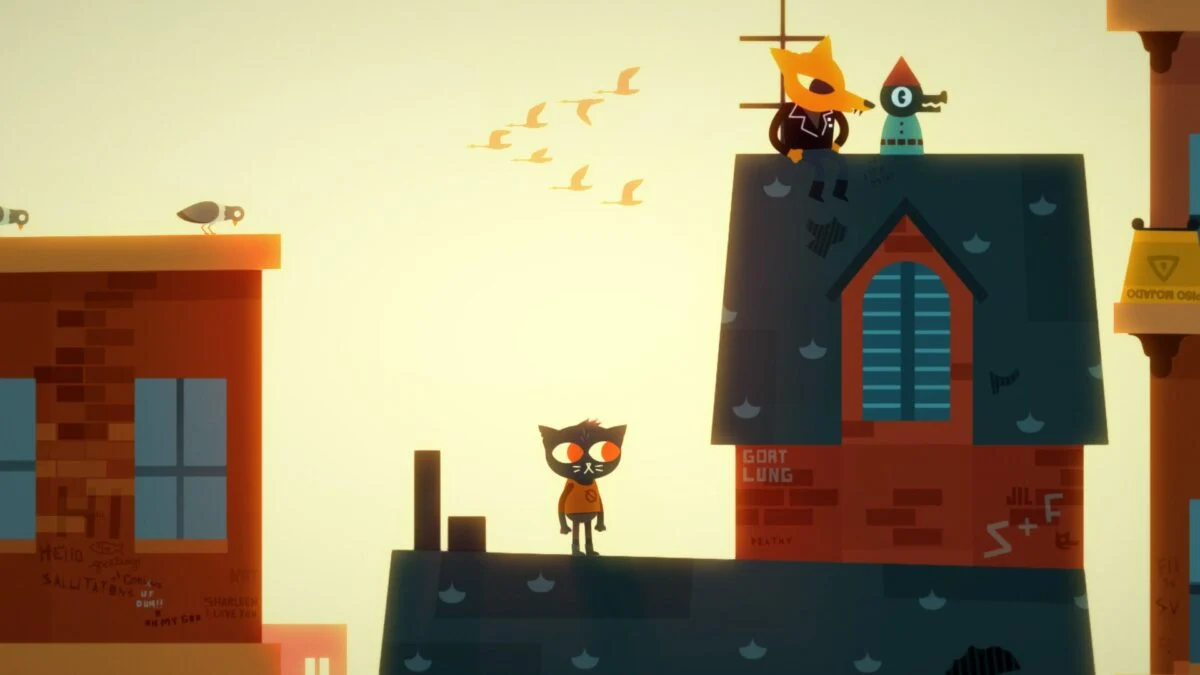
Kotaku • Feb 20, 2026
Night In The Woods Publisher Confronts TikTok Over Racist AI Ads