Tech CEOs Privately Fear AI's Impact Despite Public Optimism, Reveal Displacement Concerns and Rising Layoffs
March 22, 2026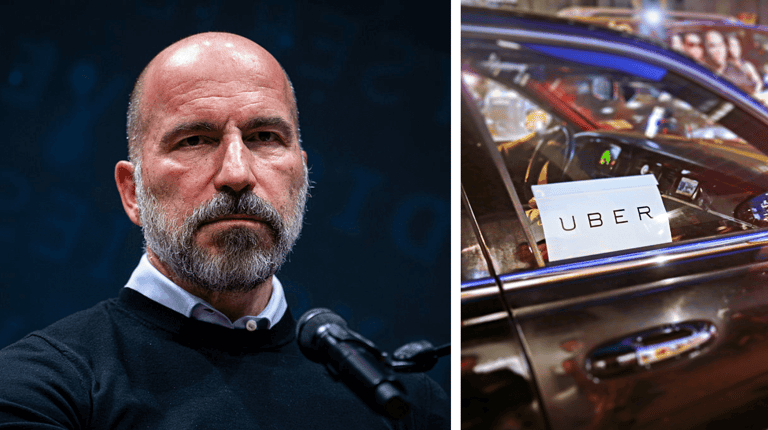

In Uber’s ecosystem, roughly 9.5 million drivers and couriers could be affected as autonomous vehicles potentially dominate trips, raising questions about workers’ next steps.
Private conversations among tech CEOs reveal a high expected disruption from AI, contradicting public assurances that AI will be manageable and create new roles.
Experts’ projections vary on AI’s impact: some warn of substantial displacement, while MIT and World Economic Forum projects suggest mid-to-high disruption with heavy reliance on retraining and policy responses.
Industry data show rising AI-related layoffs, with about 55,000 in 2025 and 12,000 more in 2026 so far, and Goldman Sachs forecasting 6-7% U.S. workforce displacement if AI becomes widespread.
He observes that many executives dodge candor publicly to protect investor confidence and fundraising, creating a disconnect with private fears.
Public figures often project optimism about AI for fundraising reasons, a stance Khosrowshahi criticizes as misaligned with private views.
Dara Khosrowshahi suggests AI could replace 70-80% of human work over time, with intellectual roles impacted within 10 years and physical/logistics roles within 15-20 years.
Khosrowshahi ties AI disruption to personal and identity concerns, noting family history and the potential erosion of purpose beyond money, while remaining cautiously hopeful for his children and stressing the value of hard work.
Early-2026 layoffs linked to AI include Block (~4,000 jobs) and Atlassian (~1,600), with Meta reportedly considering cuts up to 20% to offset AI infrastructure costs, among others.
Summary based on 2 sources