Japan's AI Companions for Elderly: A Solution or a Band-Aid for Caregiver Shortages?
April 26, 2026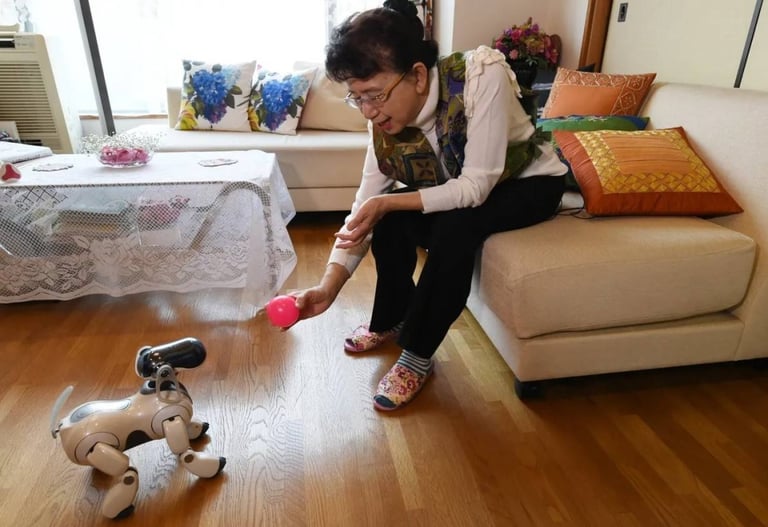

The story centers on the rise of AI companions for aging populations, with Japan at the forefront due to its aging demographics and caregiver shortages driving policy interest in eldercare automation.
Japan faces an estimated shortage of 570,000 care workers by 2040, pushing policymakers to view AI companions as a viable option to support eldercare and preserve independence.
On-the-ground observations in Tokyo nursing homes show mixed results: some seniors engage with AI companions like baby-sized robots and conversational dolls, while concerns persist about replacing human care.
Evidence suggests robots can reduce caregiver burnout and improve care quality by taking over repetitive tasks, though pay for care workers remains near minimum wage.
Experts warn that relying too heavily on automation could postpone essential reforms, such as higher caregiver wages and stronger home-care support.
Ethnographic work argues costly automation in Japan has produced unintended consequences, necessitating substantial human effort, though AI may renew these initiatives if care remains treated as essential infrastructure.
Japan’s eldercare robotics history shows mixed outcomes, with examples like Pepper being repurposed for exercise alongside staff, illustrating that automation often adds to caregiver workload rather than replacing it.
AI could alleviate loneliness and cognitive strain, but humane, face-to-face care remains essential; technology should ease administrative burdens and support independence rather than replace caregivers.
AI companions are not a cure; they may shift how care is delivered and risk undercutting investments in wages, home-care support, and practical solutions for independence.
Overall, AI in eldercare is advancing with cautious optimism about engagement, yet there is a clear warning against using tech as a substitute for needed care infrastructure and wage reforms.
The broader trend is that by mid-century, most OECD countries will be super-aged, so Asia’s experiences offer global lessons: technology alone cannot solve structural care workforce challenges.
Experiential notes from facilities in Tokyo reveal varied reception: some elderly residents respond to robotic toys, yet staff and residents worry about substituting human interaction for genuine care.
Summary based on 3 sources
Get a daily email with more AI stories
Sources

Gulf Today • Apr 25, 2026
AI is coming for our aging parents, ready or notGulf Today • Apr 26, 2026
AI is coming for our aging parents, ready or not
Qatar Tribune • Apr 25, 2026
AI is coming for our aging parents, ready or not