Kling AI Revolutionizes Video Industry with One-Click Native 4K Cinema-Grade Video Output
April 26, 2026

Additional information and demonstrations are available on Kling AI’s release notes page linked in the article.
Kling AI positions the 4K output as a bridge between AI innovation and cinematic standards, suitable for premium workflows across large displays, TV, film, and advertising production.
By delivering high-resolution output directly, the feature reduces post-production complexity and time for professional workflows.
Kling AI also launched the 4K Short Film Creative Contest with a $25,000 prize pool and 70,000 credits, offering winners a chance to premiere on the big screen in South Korea.
Industry validation comes from positive remarks by Jon Erwin, founder of Innovative Dreams, who calls the 4K capability a major leap for AI-generated filmmaking.
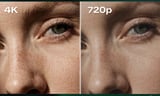
The native 4K mode generates at full 4K resolution to preserve detail, textures, and skin tones, reducing artifacts even in fast motion and complex lighting.
The feature has seen rapid adoption across film, TV, and advertising for storyboard visualization and previs, with examples like speeding up storm-sequence work for a drama by weeks rather than months.
Kling AI highlights enhanced color graduations and seamless transitions that deliver richer color and smoother changes than upscaled footage, while keeping reference consistency across generations.
Kuaishou Kling AI’s Video 3.0 series introduces a native 4K direct output function, enabling cinema-grade video generation with a single click and positioning Kling AI as the first in the industry to deliver true 4K directly from generation for professional use.
The developers emphasize democratizing access to cinematic-grade output by lowering technical barriers for professional creators and industry leaders.
The feature targets professional video industry clients—film, television, and advertising—with the goal of delivering film-industry visual quality directly from the model.
Summary based on 2 sources
Get a daily email with more Tech stories
Sources
TechBullion • Apr 26, 2026
Kling AI Unveils Industry-first Native 4K Mode to Support Cinematic-Level Output
AASTOCKS.COM • Apr 24, 2026
Kuaishou Kling AI Launches Native 4K Direct Output Function