Japan Airlines Trials Humanoid Robots at Haneda Airport Amid Global Automation Surge
May 1, 2026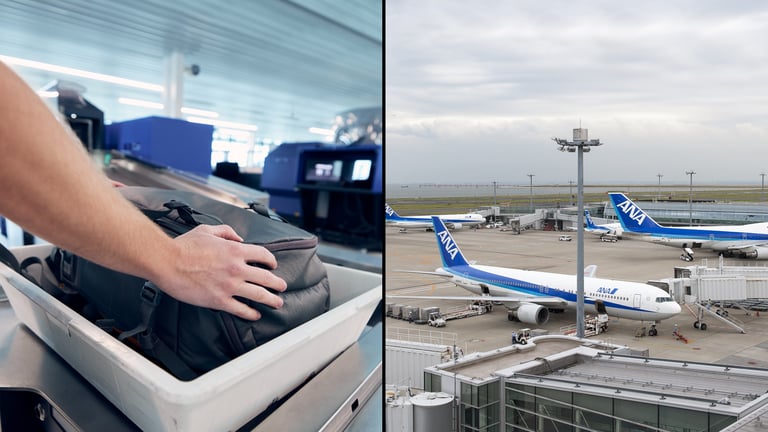

Japan Airlines is testing Unitree humanoid robots at Tokyo's Haneda airport to handle baggage, with the possibility of expanding to cabin cleaning if performance proves solid.
The pilot targets easing labor shortages driven by Japan’s aging population and rising tourism, reflecting a global move toward automation as AI advances and hardware becomes cheaper.
The Unitree G1 cobots are designed to collaborate with human staff and could eventually be deployed at other airports like Heathrow or JFK if Haneda succeeds.
Experts caution that full replacement of human workers remains unlikely in the near term due to limitations in delicate motor skills and situational judgment, requiring robust risk assessments and safety oversight.
Automation pressure is rising even in large labor-supply countries like India, where rapid automation could boost efficiency, shift income, and push workers into higher-value roles.
Automation rates in growing economies may outpace GDP growth, suggesting productivity gains could influence income distribution and job transitions.
The story envisions a future where advanced robotics move beyond early automation to higher-risk, integrated roles in logistics and service—akin to a modern automation era.
Each Unitree G1 unit costs about $13,500, and the testing emphasizes safety and ongoing human supervision.
Asia leads in robotics due to manufacturing strength and immigration dynamics, with costs dropping below wage levels making automation more viable, while the US and Europe face slower adoption.
Falling hardware costs enable productive automation, with upskilling proposed as a remedy to labor displacement in regions with strong manufacturing bases like China, Japan, and South Korea.
The broader context notes that robot costs have fallen below wages in many advanced economies, supporting a shift toward upskilling rather than halting automation.
Testing runs through 2028 include path mapping, ramp trials, and supervised practice shifts to minimize physical strain on workers and prioritize safety.
Summary based on 6 sources
Get a daily email with more Tech stories
Sources
Economic Times • May 1, 2026
From Asimov to Terminator: The rise of the working robot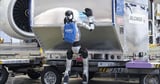
Futurism • May 1, 2026
Japanese Airport Trialing Humanoid Robots as Baggage Handlers
Economic Times • May 1, 2026
From Asimov to Terminator: The rise of the working robot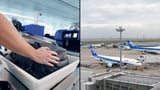
Moneywise • May 1, 2026
Baggage handlers at Japan Airlines are getting new coworkers: Humanoid robots