Demi Moore Advocates Embracing AI in Hollywood at Cannes 2026 Amid Industry Tensions
May 12, 2026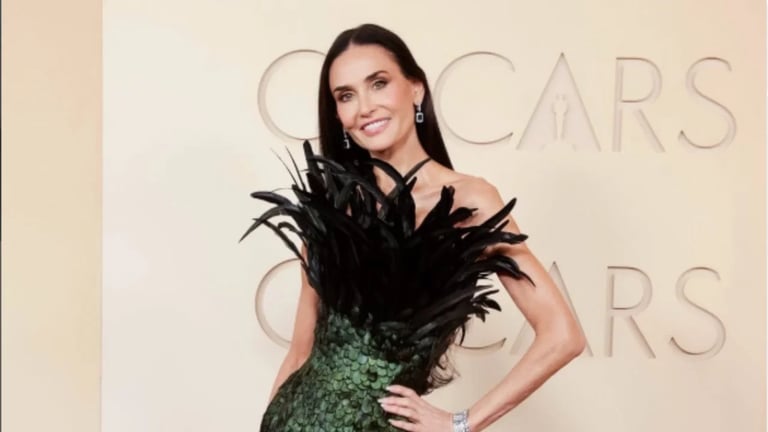


Moore acknowledged uncertainty about whether the industry is adequately protecting artists, suggesting safeguards may be insufficient.
Laverty urged clear ownership and democratic, transparent development of AI, warning against tech leaders dictating societal choices.
Moore defended artistic freedom, arguing that political expression is not inherently harmful to cinema and that uncensored creativity should be allowed.
Cannes 2026 opened with The Electric Kiss, with organizers noting fewer Hollywood films amid industry upheaval—strikes, AI debates, streaming disruption, and corporate restructuring.
AI policy developments in the industry include new Academy rules and Golden Globes changes on AI usage in nominations.
Context is provided by past works exploring AI’s impact on likeness rights and creative control, such as Robin Wright’s The Congress and HBO’s The Comeback.
Demi Moore used her Cannes appearance to urge a constructive approach to artificial intelligence in Hollywood, arguing that AI is already here and should be embraced and managed rather than resisted.
Moore sits on the 2026 Cannes competition jury alongside prominent filmmakers and actors, with Park Chan-wook serving as president, and this isn’t her first Cannes presence, having appeared in 1997 and 2024.
Paul Laverty criticized Hollywood for blacklisting actors who voiced Gaza-related causes, highlighting tensions between political expression and industry repercussions.
She stressed that AI cannot replace human creativity, artistry, or the soul and spirit that come from human experience.
She said films should be free to express political views without fear of backlash.
Public figures, including Scarlett Johansson, Cate Blanchett, Nicolas Cage, and Samuel L. Jackson, warn about unchecked AI use, emphasizing risks to authenticity, fair pay, consent, and digital likeness rights.
Summary based on 8 sources
Get a daily email with more AI stories
Sources

Variety • May 12, 2026
Demi Moore Confronts AI in Hollywood at Cannes: We Must Work With It

Entertainment Weekly • May 12, 2026
Demi Moore urges Hollywood against resisting AI: 'A battle that we will lose'