Amazon Launches Alexa for Shopping: A Game-Changer in AI-Powered Retail Experience
May 13, 2026

Alexa for Shopping replaces Rufus, extending the company’s internal AI shopping tools with enhanced capabilities.
Advertising will be integrated where appropriate, raising questions about its impact on traditional search advertising dynamics and merchant placements.
There is potential controversy over AI autonomy and privacy as cross-store shopping and automated purchasing become more prevalent.
Amazon unveils Alexa for Shopping, an AI-powered shopping assistant that helps users discover products, compare prices, get recommendations, and streamline purchases through conversational AI.
The feature mirrors Amazon’s website and app in look and feel and will debut on Echo Show devices, with expansion to other devices planned.
The launch comes amid strong competition in AI-assisted commerce from OpenAI, Google, and Perplexity, all aiming to win high-intent shopping queries.
The system surfaces AI-driven answers and personalized recommendations based on user query structure, aiding tasks like comparing espresso machines or building skincare routines.
Advertisements can leverage AI-driven insights from a year of purchase and browsing data, letting brands bid on long-tail queries and surface sponsored products in the search bar.
AI-powered commerce requires large data sets and cloud infrastructure to train and operate, spanning customer behavior, inventory, product data, and transactions.
Analysts expect AI-based discovery systems to reshape retailers, advertisers, marketplaces, and marketing strategies as traditional search ranking power wanes.
Price alerts, item comparisons, and automatic reordering are included, with auto-purchase options triggered by user-set price thresholds and time windows.
Alexa for Shopping can suggest products and automate carts by recognizing context across devices and past interactions, potentially increasing spending by reducing checkout friction.
Summary based on 17 sources
Get a daily email with more Tech stories
Sources

TechCrunch • May 13, 2026
Amazon launches an AI shopping assistant for the search bar, powered by Alexa+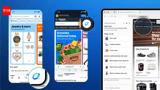
The Times Of India • May 13, 2026
Amazon replaces Rufus chatbot with ‘Alexa for Shopping’ AI assistant: What it means for users
The Next Web • May 13, 2026
Amazon puts Alexa inside the search bar as agentic commerce heats up
Blockonomi • May 13, 2026
Amazon (AMZN) Retires Rufus Chatbot, Debuts Alexa for Shopping in AI Commerce Push