YouTube Expands Likeness-Detection Tool to Combat Deepfake Threats for Creators and Public Figures
May 16, 2026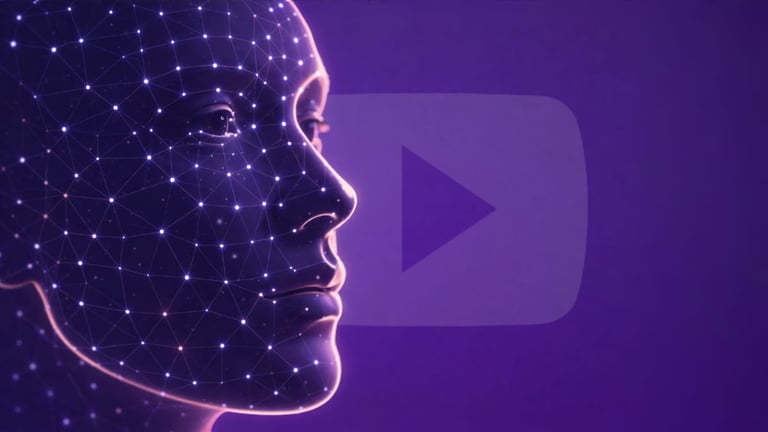

YouTube is expanding access to a likeness-detection tool that scans for a creator’s facial likeness in AI-generated videos and will be available to all eligible creators aged 18 and older in the coming weeks.
Enrolled users can request removal of unauthorized content through YouTube Studio, with alerts triggered when potential matches are found.
The system uses a selfie-style facial scan to create a biometric template, stored for up to three years, and enrollment requires government-issued ID and a short selfie video.
The feature currently detects only visual likeness, not audio, and requires human review to determine appropriate actions such as privacy or copyright removal, or archiving for later review.
YouTube positions the tool as an early warning system rather than a guaranteed shield, aiming to reduce impersonation while preserving satire, journalism, and fair use through context-sensitive decisions.
Some view the expansion as potentially setting a new safety standard and pressuring other platforms to offer similar protections, while concerns remain about false positives and privacy risks.
The tool was previewed in 2024, rolled out to Partner Program members in late 2025, and then extended to journalists and politicians before broad deployment.
The update responds to identity theft, misinformation, and reputational damage risks from deepfakes affecting celebrities, creators, and everyday users.
Access is limited to eligible groups—including political figures, government officials, journalists, celebrities, and entertainment figures—marking a gradual move toward wider protection.
It remains unclear whether the tool will markedly reduce the prevalence of deepfake videos on YouTube.
The goal is to give users peace of mind and an easier path to remove unauthorized content.
The current scan covers visual content only; audio detection is planned for 2026, and non-enrolled individuals’ likenesses are not identified.
Summary based on 8 sources
Get a daily email with more Tech stories
Sources
Engadget • May 16, 2026
YouTube's AI Deepfake Detection Tool Is Now Available To All Creators 18 And Older
The Verge • May 15, 2026
YouTube is expanding its AI deepfake detection tool to all adult users
Bangkok Post • May 2, 2026
New YouTube AI tool tackles deepfake face theft
PPC Land • May 16, 2026
YouTube's AI face shield now covers every creator 18 and over