AI Hoax Targets Singaporean Man, Sparks Legal Battle Over Privacy and Harassment
June 22, 2026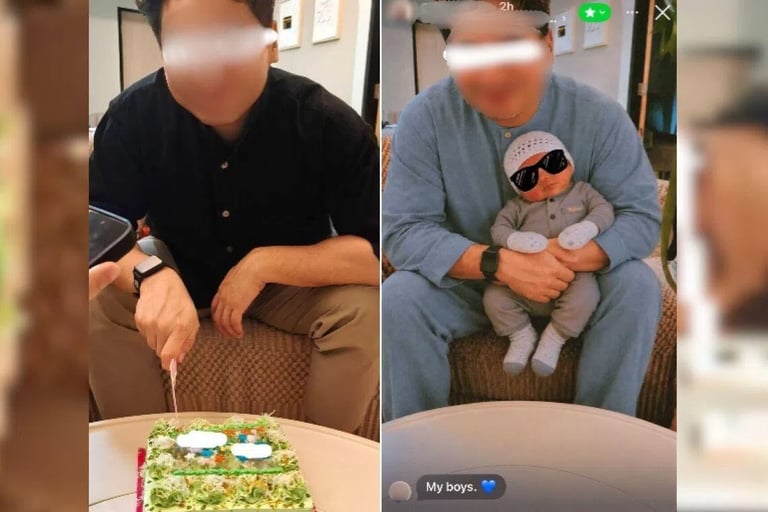

Experts and advocates stress the need for stronger digital literacy, clearer frameworks, and safeguards as AI tools become more accessible and capable of causing real harm.
A Singaporean administrative assistant, identified as Luke, was targeted by a former schoolmate who used AI-generated imagery to falsely depict him as in a relationship and with a baby, including doctored photos using his sister’s children, and these images circulated online over several months, causing harassment and distress.
The false narratives depicted intimate relationships and parenthood, raising concerns about consent and the emotional harm inflicted by manipulation of personal images.
The manipulated content sparked online abuse and privacy concerns as the images spread across multiple platforms, with Luke and his sister tightening social media privacy settings and Luke filing a police report.
Legal avenues are being considered, including Protection from Harassment Act (POHA) proceedings, possible mediation, and, if unresolved, court action to obtain a protection order.
The incident highlights the emotional and privacy toll of AI-driven impersonation and online stalking, fueling discussions on legal remedies and public awareness.
Luke and his sister also sought support from lawyers who advised civil remedies under POHA to address AI-generated imagery, impersonation, and false posts online.
Experts warn that AI-generated content blurs reality and can exert psychological pressure on victims, reflecting a growing global trend of AI-assisted harassment.
Luke’s sister first learned of the hoax from a friend and attempted to contact the perpetrator; she later shared details on Threads, where the post drew widespread attention and exposed a broader pattern dating back to 2017.
Singapore’s harassment and online-harm laws could apply if the case proceeds in court, raising questions about privacy, defamation, and consent in the age of rapidly spreading AI-generated content.
Psychologists note delusional, controlling behavior behind the stalking and recommend psychological help for the perpetrator, emphasizing ongoing risk until there is accountability.
The sister’s Threads post drew significant engagement after June 7, and reports suggest the impersonator had been reaching out to others since 2017, with the impersonator’s Instagram account subsequently deactivated.
Summary based on 3 sources
Get a daily email with more AI stories
Sources

The Star • Jun 21, 2026
Man targeted by ex-schoolmate in AI romance hoax

Best Breaking News and Beyond: Singapore, Batam and some say JB • Jun 22, 2026
AI Harassment Case in Singapore: Man Targeted by Former Schoolmate With Fake Family Images