AI and HPC Fuel Data-Center Boom: Liquid Cooling, Sustainability, and APAC Expansion Lead the Charge
July 13, 2026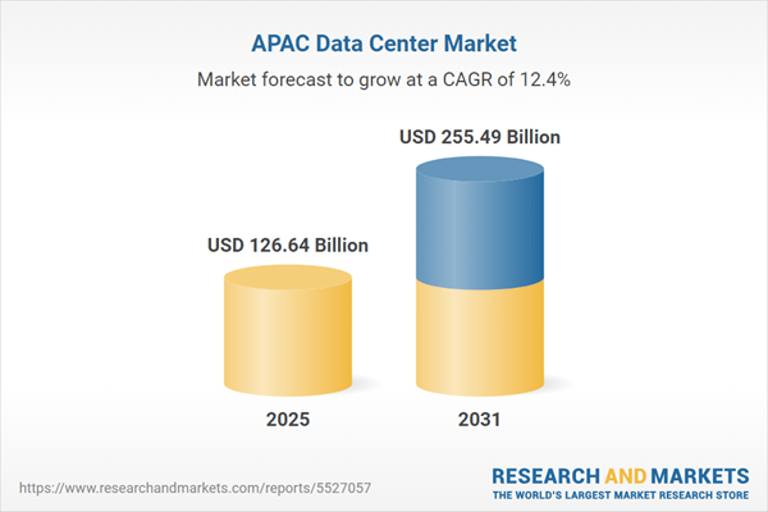

AI and high-performance computing are driving demand for advanced data-center capacity, with high-density deployments and liquid cooling expected to account for a growing share of cooling investments, reaching about 59% by 2031.
Sustainability remains a central theme, with investments in sustainable infrastructure such as lithium-ion batteries and biofuel generators, and a shift toward high-density racks (60 kW–200 kW) supported by DCIM/BMS software for power management and efficiency.
AI-driven growth is underscored by Alibaba’s plan to invest tens of billions in China’s AI infrastructure through 2029, reflecting rising data-center demand linked to AI workloads and enhanced data transmission via submarine cables, including Google’s initiatives.
APAC cloud providers are expanding footprints amid 5G growth and localized data storage policies, with examples like Oracle launching a cloud region in Indonesia and collaborations such as OpenAI with Hitachi Energy in South Korea.
Regional collaborations and new cloud regions in APAC, including Oracle’s Indonesia launch and OpenAI’s Korea partnership, are accelerating market growth for cloud services.
APAC governments are promoting data-center investments through incentives and task forces, such as Malaysia’s Data Center Task Force, to accelerate development.
Beijing, Sydney, and Tokyo emerge as key hub locations due to connectivity and infrastructure, with leaders like China Telecom, Equinix, and Digital Realty driving investment and competition.
Osaka’s AirTrunk OSK2 data-center campus at 100 MW capacity highlights power-scale ambitions, while India maintains competitive industrial electricity rates around 7–12 cents per kWh in 2025.
Power-and-energy developments include AirTrunk’s Osaka campus and India’s favorable industrial electricity pricing, supporting project viability in APAC.
Edge data centers are rising to support IoT and Big Data, aided by smart-city initiatives like Japan’s Society 5.0 and enhanced connectivity from submarine cables and projects such as Google’s TalayLink.
Edge-focused expansion is complemented by improved regional connectivity through submarine cables and notable projects like TalayLink linking Australia and Thailand.
China remains a regional powerhouse, holding a majority share of market power capacity, with Japan and Australia also strong; Southeast Asia is reshaping dynamics as countries like Malaysia and Indonesia gain momentum amid Singapore’s hub challenges.
Summary based on 6 sources
Get a daily email with more AI stories
Sources
Yahoo! Finance • Jul 13, 2026
Trends & Strategies in Asia-Pacific's $35+ Billion Data Center Construction Market, 2026-2031
GlobeNewswire • Jul 13, 2026
Trends & Strategies in Asia-Pacific's $35+ Billion Data Center Construction Market, 2026-2031