AI-Edited Bird Photos Threaten Wildlife Data Integrity, Experts Urge Vigilance
July 20, 2026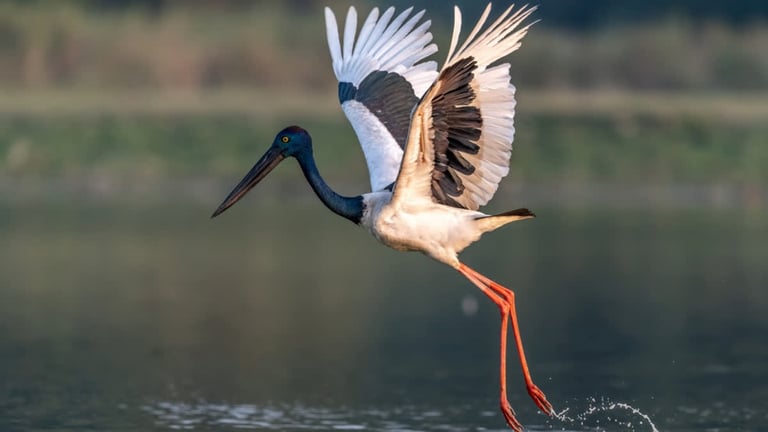


A Nature commentary cites hundreds of fake images already found on popular databases, with many more likely undetected, challenging the integrity of ecological research.
The integrity of citizen science as a real-time sensor for ecological change depends on accurate data, requiring users to limit AI-assisted edits and platforms to improve AI-detected content verification.
Stakeholders, including Dr. Alexander Lees and Tony Iwane, stress vigilance and accuracy, acknowledging that AI-edited images may not be malicious but can distort records.
Proposed safeguards include stronger platform moderation, better AI-detection tools, disclosure of AI editing, and educating photographers about risks of altering biological features.
AI-enabled photo edits can unintentionally alter key identifying features of birds, potentially creating false species records in citizen-science databases, which threatens data reliability.
The core goal is to ensure submitted photographs accurately reflect observed wildlife to preserve data reliability for conservation and ecological studies.
iNaturalist has added features to flag or downgrade AI-generated or manipulated observations, limiting their inclusion in research datasets shared with organizations like the Global Biodiversity Information Facility.
Lead author Dr. Alexander Lees notes that AI-enhanced photos are increasingly common in everyday workflows and may hinder understanding of species distributions over space and time, complicating accurate mapping of distributions and temporal changes.
Despite the value of crowdsourced data for real-time ecological insights, voices from the community emphasize vigilance and accuracy to preserve scientific usefulness.
Experts warn that maintaining trust in publicly submitted wildlife data is crucial because these data underpin climate-related tracking, species movement, and large-scale conservation research.
iNaturalist data show very few flags for AI-generated content—about 1,400 out of more than 610 million images—leaving the scale of the issue uncertain but potentially large.
While most AI-generated entries are not malicious, they still undermine data integrity and scientists’ ability to monitor species distributions and behavior.
Summary based on 6 sources
Get a daily email with more AI stories
Sources
The Times Of India • Jul 20, 2026
Scientists warn AI-edited bird photos could create fake sightings and threaten biodiversity research
PetaPixel • Jul 20, 2026
Scientists Warn Wildlife Photographers’ AI-Enhanced Bird Photos Could Threaten Research
The Guardian • Jul 20, 2026
Al-altered images on birdwatching forums putting research at risk
台北時報 • Jul 20, 2026
AI-altered birdwatching images put research at risk