Google Introduces Selfie Video Sign-In to Combat Deepfake Fraud in Account Recovery
July 23, 2026

Google unveiled a selfie video sign-in option that authenticates accounts through a guided, encrypted selfie video, stored for future sign-ins.
The system uses real-time liveness checks and prompts for movement to prevent spoofing from static images or AI-generated deepfakes, including head movements during verification.
Users who prefer not to use selfies can rely on existing recovery options such as recovery emails, phone numbers, passkeys, recovery contacts, and backup codes, with guidance to configure multiple methods before access is lost.
Observers note that facial recognition can be unreliable in real-world settings, and more secure methods like infrared depth sensing offer stronger anti-spoofing protection.
The feature is framed as beneficial for account recovery and fraud protection while facing regulatory scrutiny over biometric data collection.
Public materials do not specify whether failed or disputed matches receive human review or outline an explicit appeal process for this recovery method.
This approach adds biometric-based recovery options beyond traditional methods and acknowledges privacy concerns surrounding facial recognition technologies.
Experts advise using multiple verification methods beyond video, including device recognition, location data, behavioral analytics, and real-time movement checks to reduce fraud risk.
The feature is pitched as a convenience to bypass passwords but raises governance questions about potential repurposing of biometric data beyond sign-in.
The goal is to address proving human presence amid convincing AI media, with liveness checks becoming a baseline for sensitive logins and payments.
The capability is available for eligible accounts as an additional recovery method, though its effectiveness against advanced deepfakes remains untested.
This is a recovery tool, not a daily sign-in method, designed to complement passwordless options like passkeys, security keys, trusted devices, and two-factor authentication.
Summary based on 24 sources
Get a daily email with more Tech stories
Sources

Google • Jul 23, 2026
Introducing selfie for sign-in: a new, easy way to access your Google Account
TechCrunch • Jul 23, 2026
Google will now let you sign in to your account with a selfie video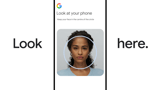
Ars Technica • Jul 23, 2026
Forgot your Google password? Now you can log in with a selfie.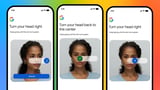
Lifehacker • Jul 23, 2026
Google Is Rolling Out a Video-Selfie Option If You Get Locked Out of Your Account